
Ovarian dysfunction/low response group
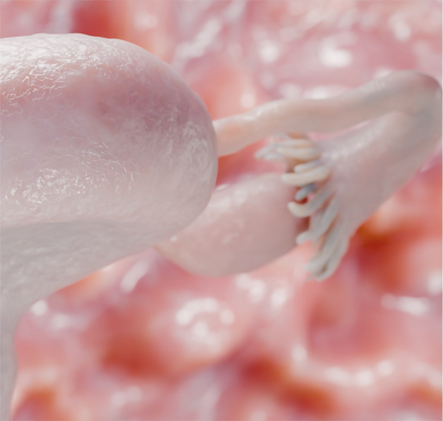
What Is Diminished Ovarian Reserve / Poor Ovarian Response?
As later marriage and increased participation of women in social and professional activities have become more common, the number of couples experiencing infertility has increased.
In particular, women with diminished ovarian reserve who are classified as poor responders may face greater challenges during infertility treatment. Therefore, accurate diagnosis and treatment tailored to each individual are important.
Causes
- Age 40 or older
- Cancer treatment
- Genetic factors (Fragile X syndrome)
- Exposure to environmental hormones
- Autoimmune diseases
- Polycystic Ovary Syndrome (PCOS)
- Thyroid dysfunction
- Premature Ovarian Failure (POF)
- Smoking and stress
cure
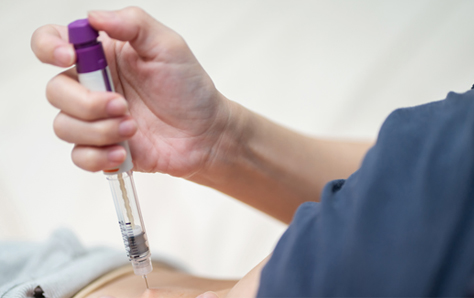
Individualized Ovarian Stimulation
In poor responders, excessive use of ovarian stimulation medications may increase treatment costs and cause side effects. Therefore, for poor responders, it is preferable to use a mild stimulation protocol with reduced medication dosages to improve treatment compliance and help optimize egg quality and endometrial receptivity. In addition, a natural-cycle approach may be considered, in which treatment allows naturally selected, high-quality eggs to develop without excessive stimulation from injections.
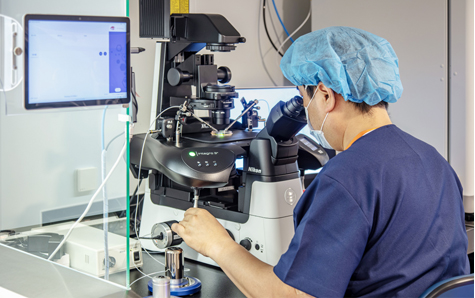
Embryo Screening (IVF with PGT)
Embryo screening is a test performed during in vitro fertilization (IVF) to diagnose genetic disorders or chromosomal abnormalities at the preimplantation embryo stage, allowing only embryos with a normal genetic profile to be selected for transfer. In cases of diminished ovarian function, embryo selection through Preimplantation Genetic Testing for Aneuploidy (PGT-A) may be recommended before embryo transfer.
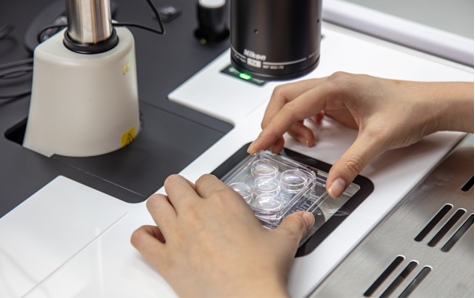
Embryo Collection by Vitrification
Using vitrification technology, embryos are safely preserved, and once an adequate number of embryos suitable for transfer has been obtained, they are thawed together and transferred. This strategy can reduce the total amount of medication used and lower the rate of canceled embryo transfers, potentially resulting in higher pregnancy rates.
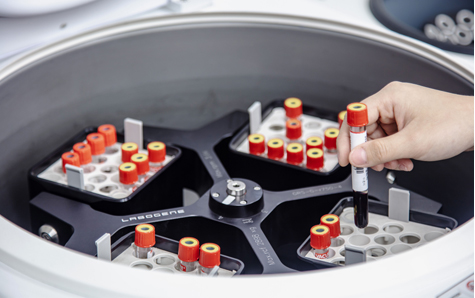
Intraovarian Platelet-Rich Plasma (PRP) Injection (PRP Ovarian Rejuvenation)
Intraovarian PRP injection is a treatment that involves directly injecting platelet-rich plasma containing abundant growth factors into the ovaries to promote tissue regeneration and help restore ovarian function. The injected growth factors may support follicular growth and development and contribute to improving egg quality. Studies have also reported that PRP may help improve blood flow around the ovaries, potentially contributing to the restoration of ovarian function.
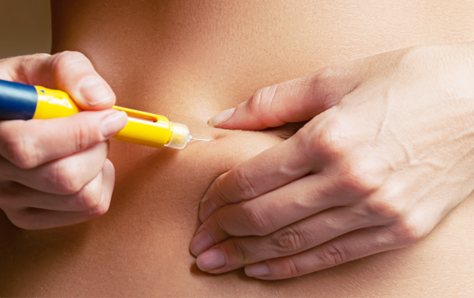
DuoStim IVF
DuoStim IVF involves performing egg retrieval twice during the same menstrual cycle—once during the early follicular phase and again during the luteal phase. By obtaining a greater number of high-quality eggs and utilizing the characteristics of eggs that develop at different stages of the cycle, this approach aims to improve the chances of successful pregnancy.