
Miz culture technology
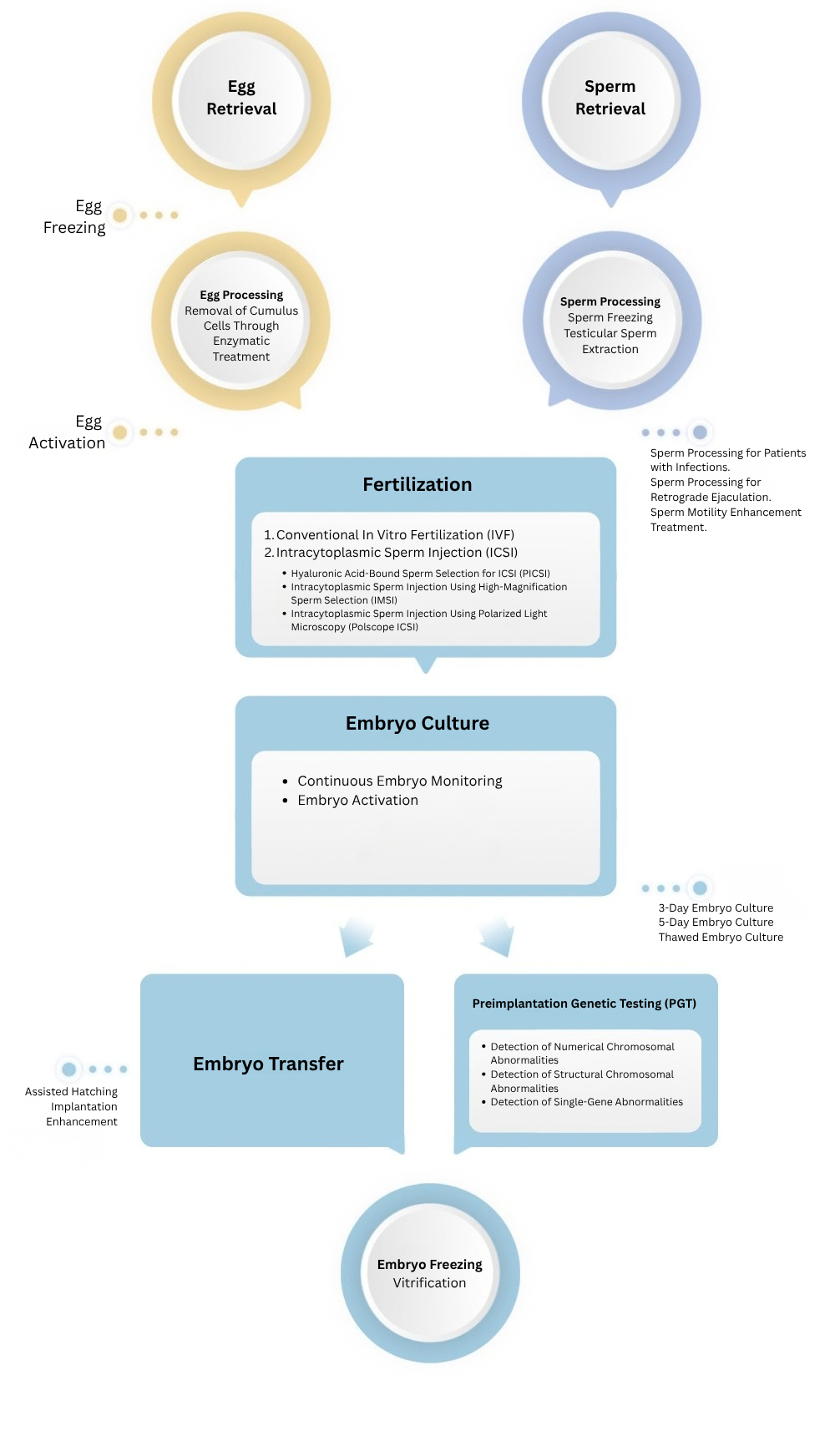
Patient Identification System (RI Witness System)
PROMISE IVF’s Patient Identification System (RI Witness) is an advanced egg and embryo management system based on RFID (Radio-Frequency Identification) technology. Throughout every procedure, a unique electronic tag is attached to each patient’s eggs and embryos, allowing every step of the process to be monitored and recorded in real time. This system fundamentally eliminates the possibility of human error and ensures that each patient’s precious embryos are accurately and safely protected throughout the entire treatment process, right through to the final procedure.
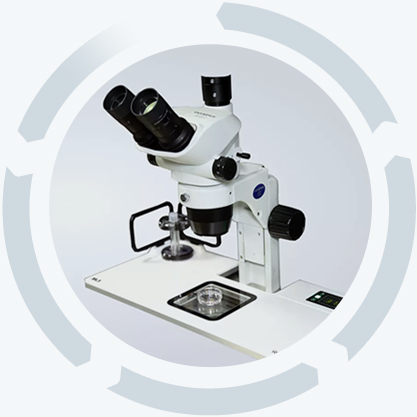

1 An ID card containing a unique personal identification code is issued to each patient.

2 An ID tag containing the patient’s unique personal identification code is attached to every culture container that will hold the patient’s samples and synchronized with the patient’s ID card.

3 Wireless signals from the ID tags are detected throughout all work areas involved in the procedures, enabling the identification, tracking, and recording of each sample at every stage of the treatment process.

4 After verifying the identity of each sample through the Patient Identification System, the embryologist proceeds with the work at each stage of the process.

5 f there is a possibility of an incorrect sample match, the system alerts the embryologist to prevent potential errors or incidents.

6 Before embryo transfer, the patient’s ID card is automatically cross-checked with the tagged culture dish for final verification.
Real-Time Monitoring & Alarm System
The real-time monitoring and alarm system is an essential component for enhancing patient safety and treatment efficiency. This system continuously collects and analyzes various data in real time, enabling early detection of abnormal conditions and prompt action when necessary.
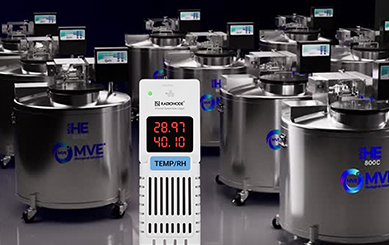
Optimal Culture & Storage Environment Management 365 Days a Year
The system consists of various sensors that precisely measure the temperature, humidity, CO₂ concentration, O₂ concentration, particulate matter levels, and other environmental conditions inside the incubators and throughout the entire culture laboratory. These highly sensitive sensors detect even the slightest changes and continuously collect real-time data, enabling constant and accurate monitoring to maintain a stable culture environment. SEOUL MIZ PROMISE IVF ensures safety at all times through a state-of-the-art monitoring system that meets international standards.
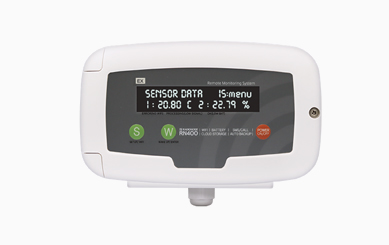
Alarm & Warning System
If any change in the culture environment or cryopreservation conditions falls outside the predefined parameters, an immediate alert is sent to the medical staff. Alerts are delivered through various channels, including SMS, email, and mobile app push notifications, enabling prompt response in the event of an emergency.
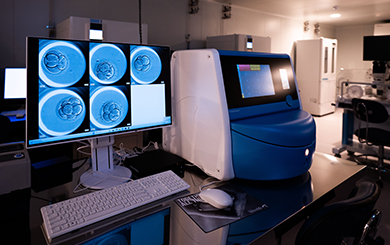
Real-Time Embryo Monitoring Culture System (Time-Lapse System)
This system continuously captures and analyzes the embryo’s development while it is being cultured. Since the embryo does not need to be removed from the incubator to monitor its development, it can be maintained in an optimal environment while allowing the entire growth process to be observed and analyzed. In addition, the system enables precise observation of the dynamic changes that occur throughout embryo development. By detecting abnormal developmental patterns and performing comprehensive analysis using artificial intelligence, it helps objectively identify embryos with a higher potential for implantation and a greater likelihood of being genetically normal. High-quality embryos selected through this system may help improve implantation rates and reduce miscarriage rates. It can also help increase the success rate of Single Embryo Transfer (SET), thereby reducing the risk of multiple pregnancies.
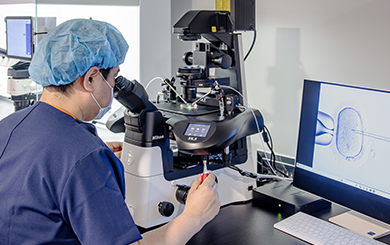
Physiological Intracytoplasmic Sperm Injection (PICSI)
Compared with conventional Intracytoplasmic Sperm Injection (ICSI), this method uses hyaluronan (hyaluronic acid) in addition to sperm morphology and motility to select more mature sperm for fertilization. It may be considered in cases of two or more spontaneous miscarriages after IVF, recurrent pregnancy failure or two or more biochemical pregnancies after ICSI, low fertilization rates or poor embryo development after ICSI, or when the proportion of normally shaped sperm is less than 1% or sperm motility is significantly reduced.
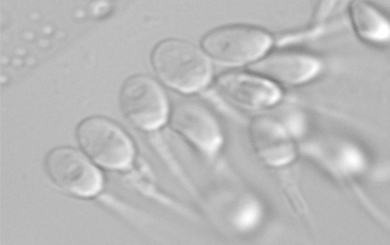
Intracytoplasmic Morphologically Selected Sperm Injection (IMSI)
Unlike conventional ICSI, this technique uses a high-magnification microscope at 6,000× magnification or higher to visually identify even subtle morphological defects, such as vacuoles, in the sperm head (nucleus). Morphological abnormalities in the sperm head may be associated with sperm DNA damage, which can affect embryo development or increase the risk of miscarriage. IMSI enables the selection and injection of sperm without such defects, which may help achieve healthier embryos and support the maintenance of pregnancy. It may be considered for men with severe teratozoospermia (1% or less normal sperm morphology), cases with low or no fertilization in previous ICSI treatment, recurrent pregnancy failure or a history of recurrent pregnancy loss, and cases using sperm retrieved from testicular tissue.
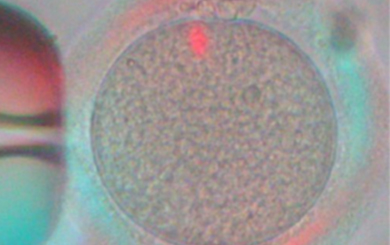
Polscope ICSI (Polarized Light Microscopy-Assisted ICSI)
The spindle apparatus within the egg plays an essential role in cell division and the transmission of genetic material. However, during conventional Intracytoplasmic Sperm Injection (ICSI), it can be difficult to accurately determine the spindle’s location, creating a risk of damaging it during sperm injection. Damage to the spindle may result in failed fertilization or problems with embryo development. Polscope ICSI uses polarized light microscopy to visualize the spindle in real time, helping the embryologist avoid it and safely inject the sperm. In addition, observing the shape and position of the spindle can help assess egg maturity without causing damage to the egg. This technique may be particularly useful for older women or patients who have previously experienced fertilization failure during IVF treatment.
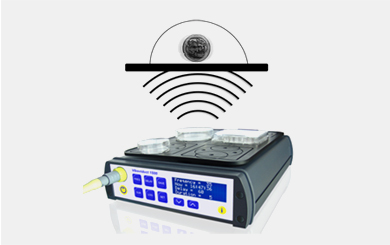
Embryo Activation (Micro-Vibration Culture: Embryo Activation)
Naturally developing embryos in the human body are exposed to subtle vibrations of approximately 6–20 Hz generated by the movement of cilia in the fallopian tubes as they develop. Embryo activation is a culture technique that recreates this principle using a specialized device to support the development and enhance the activity of embryos created through in vitro fertilization. It may be considered for embryos with slow or poor development and may help improve embryo development rates.
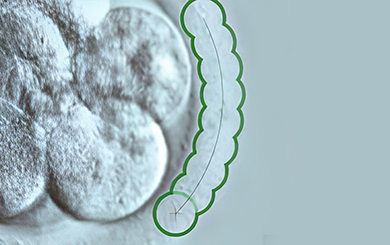
Laser-Assisted Hatching (LAH)
In natural conception, an embryo must break through the zona pellucida surrounding it before implanting into the endometrium. This process is called “hatching.” Embryos cultured during IVF tend to have a zona pellucida that is thicker or harder than under natural conditions. In particular, the zona pellucida may become more hardened after the freeze-thaw process. This technique uses a precise laser beam to thin a small area of the zona pellucida or create a tiny opening before embryo transfer, helping the embryo hatch more easily. By removing a physical barrier to implantation, it may help improve the chances of successful implantation. This technique is not necessary for every patient, but may be particularly considered for older patients, those with a history of recurrent implantation failure, embryos with an abnormally thick or hardened zona pellucida, frozen-thawed embryo transfer, or embryos of poor quality.
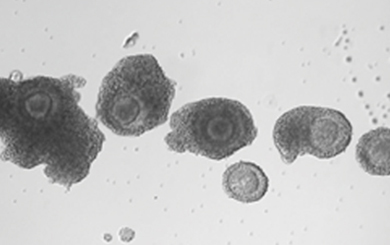
In Vitro Maturation (IVM)
This technique involves retrieving immature eggs with minimal or no ovarian stimulation injections, allowing them to mature in vitro before fertilization. It can help reduce or prevent the risk of Ovarian Hyperstimulation Syndrome (OHSS), reduce the physical and psychological burden on patients by minimizing the need for injections, and facilitate fertility preservation for cancer patients. It also increases the potential to utilize immature eggs retrieved during egg collection and may be considered for patients with certain conditions that are sensitive to female hormones when attempting pregnancy.
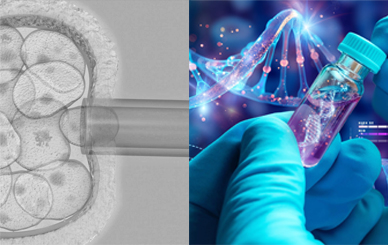
Preimplantation Genetic Testing (PGT)
Preimplantation Genetic Testing is performed during the IVF process to identify genetic abnormalities in embryos before they are transferred to the uterus, including chromosomal numerical or structural abnormalities and specific genetic disorders. It can help support a healthy pregnancy and childbirth. PGT can be broadly divided into three types:
- Detection of Chromosomal Numerical Abnormalities: PGT-A (Preimplantation Genetic Testing for Aneuploidy)
- Detection of Chromosomal Structural Abnormalities: PGT-SR (Preimplantation Genetic Testing for Structural Rearrangements)
- Detection of Monogenic/Single-Gene Disorders: PGT-M (Preimplantation Genetic Testing for Monogenic/Single Gene Disorders)
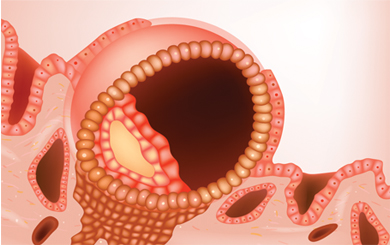
Endometrial Receptivity Analysis (ERA)
ERA is a personalized test that analyzes RNA from endometrial tissue to determine whether the endometrium is receptive to embryo implantation and identify the optimal timing for embryo transfer.
The endometrium is not receptive to implantation at all times. There is a limited period of approximately 4–5 days after ovulation, known as the Window of Implantation (WOI), during which implantation is most likely to occur. Even when the embryo is healthy, implantation may fail or result in a biochemical pregnancy loss if the endometrium is not adequately prepared or if the optimal implantation window has already passed. In such cases, ERA may provide an alternative by analyzing endometrial tissue to determine the most appropriate timing for embryo transfer.
Vitrification and Thawing
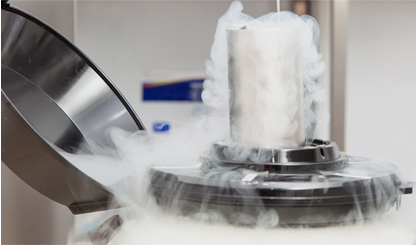
Vitrification is an advanced cryopreservation technique that uses liquid nitrogen to rapidly cool and preserve reproductive cells such as eggs, sperm, and embryos. As the name suggests, “vitrification” rapidly transforms the cells from a liquid state to a solid, glass-like state without allowing water inside the cells to form ice crystals. This results in a very high survival rate after thawing, helping maintain favorable fertilization and pregnancy outcomes.
Vitrification is also useful for safely preserving embryos remaining after embryo transfer or embryos for which the timing of transfer is not yet appropriate. It enables efficient use of remaining embryos, may help improve pregnancy outcomes, and can reduce the risk of Ovarian Hyperstimulation Syndrome (OHSS) by allowing embryo transfer after the endometrium has been optimally prepared for implantation. When Preimplantation Genetic Testing (PGT) is performed, embryos can also be safely cryopreserved while awaiting the test results.
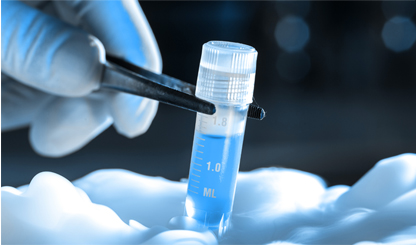
Sperm Freezing
- When fertility preservation is required before high-risk surgery
- When preparing for potential decline or loss of reproductive function
- When sperm cryopreservation is desired for use in assisted reproductive treatment for infertile couples
- Men who require fertility preservation before chemotherapy or radiation therapy
Egg Freezing
- Unmarried women who plan to become pregnant in the future (Social Preservation, Social Banking)
- Women scheduled for surgical treatment that is expected to impair ovarian function
- Women who wish to become pregnant at an older age
- Women diagnosed with diminished ovarian function
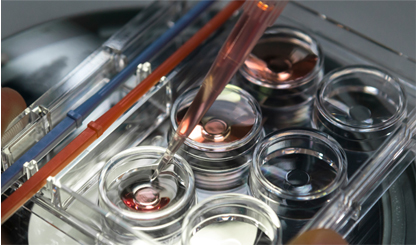
Embryo Freezing
- When there are remaining embryos after IVF treatment
- When embryo transfer is not possible due to Ovarian Hyperstimulation Syndrome (OHSS)
- When the endometrium is not in an optimal condition for implantation
- When embryo transfer is postponed for various reasons
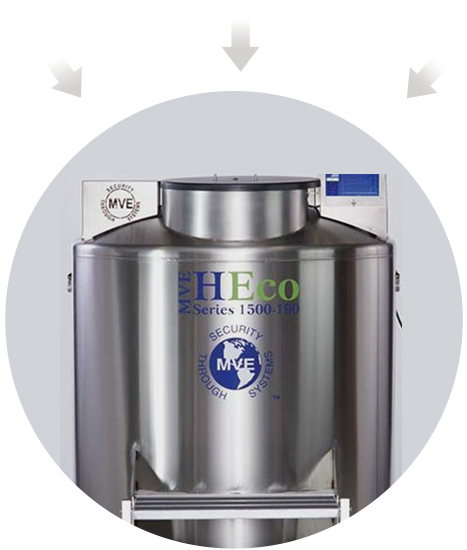
MVE’s High-Efficiency, Eco-Friendly Cryogenic Biotank, the World’s Only FDA-Certified Cryogenic Biotank
Introduced to PROMISE IVF for the First Time in Korea