
Endometrial abnormalities
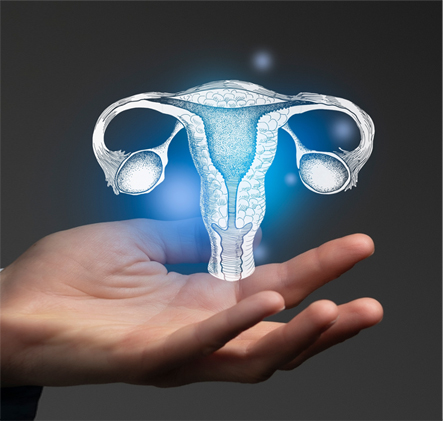
What Are Endometrial Abnormalities?
The endometrium is an important tissue that forms the inner lining of the uterus. It changes throughout each menstrual cycle and plays an essential role in preparing the uterus for embryo implantation.
Any abnormal condition affecting the endometrium is collectively referred to as an endometrial abnormality. Endometrial abnormalities can occur in various forms and may have a significant impact on women’s health, making an accurate understanding and appropriate management essential.
Causes
- Hormonal imbalance (excessive estrogen secretion)
- Genetic factors
- Menopause
- Chronic endometritis
- Obesity
- Endometrial polyps
- Diabetes and hypertension
- Endometrial atrophy
cure

Hysteroscopy
Hysteroscopy is a diagnostic procedure in which a thin endoscope equipped with a camera is inserted through the vagina into the uterus to directly examine the endometrium and uterine cavity. It offers the advantage of accurately identifying subtle abnormalities or lesions of the endometrium that may be difficult to detect through conventional ultrasound or biopsy alone. Hysteroscopy can provide detailed information about the presence, location, and size of various uterine conditions, including uterine fibroids, endometrial polyps, intrauterine adhesions, and adenomyosis. When necessary, a tissue sample (biopsy) can also be obtained simultaneously to establish an accurate pathological diagnosis.

Endometrial Scratching
Hysteroscopic endometrial scratching is a procedure that uses a specialized hysteroscope to directly visualize the inside of the uterus while stimulating the endometrium. Lesions that may interfere with implantation, such as endometrial polyps, fibroids, and adhesions, can be directly removed, or specific areas of the endometrium can be stimulated using a laser or electrocautery device. This may induce a localized endometrial response and help improve the implantation environment. At the same time, it is also useful for diagnosing abnormalities within the uterine cavity.
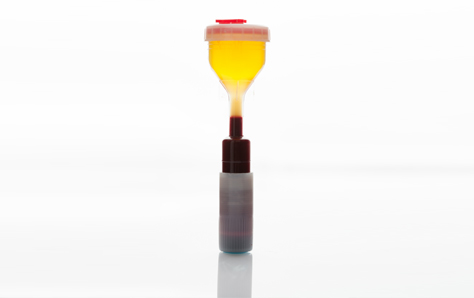
Intrauterine Platelet-Rich Plasma Injection (PRP Injection)
The reason intrauterine platelet-rich plasma (PRP) injection is gaining attention is its potential to overcome the limitations of conventional assisted reproductive technologies and fundamentally improve endometrial function. In addition to their role in blood clotting, platelets contain various growth factors that play an important role in promoting the regeneration of damaged tissues and stimulating the formation of new blood vessels. PRP treatment, which concentrates these abundant platelet-derived growth factors and directly introduces them into the uterus, offers a potential new approach for addressing various causes of infertility, including thin endometrium, recurrent implantation failure, and chronic endometritis.