Endometriosis
“I have pelvic pain even before my period starts.”
Hematuria and Pelvic Pain That Can Be Easily Overlooked — Detect Endometriosis Early Through Regular Screening
Endometriosis is a condition in which endometrial tissue, which normally lines the inside of the uterus, develops in areas outside the uterus. Because endometriosis can present in various forms, it may appear as scar-like lesions on the peritoneum or form cysts on the ovaries. In rare cases, it may also develop in areas such as the umbilicus or lungs.
What Is Endometriosis?
Endometriosis is a condition in which endometrial tissue grows outside the uterus, where it can proliferate according to the menstrual cycle and cause bleeding and inflammation.
Endometriosis is one of the most common gynecological conditions associated with female infertility. Because it is closely related to the menstrual cycle, it mainly affects young women of reproductive age and women before menopause.
Diagnosis of Endometriosis
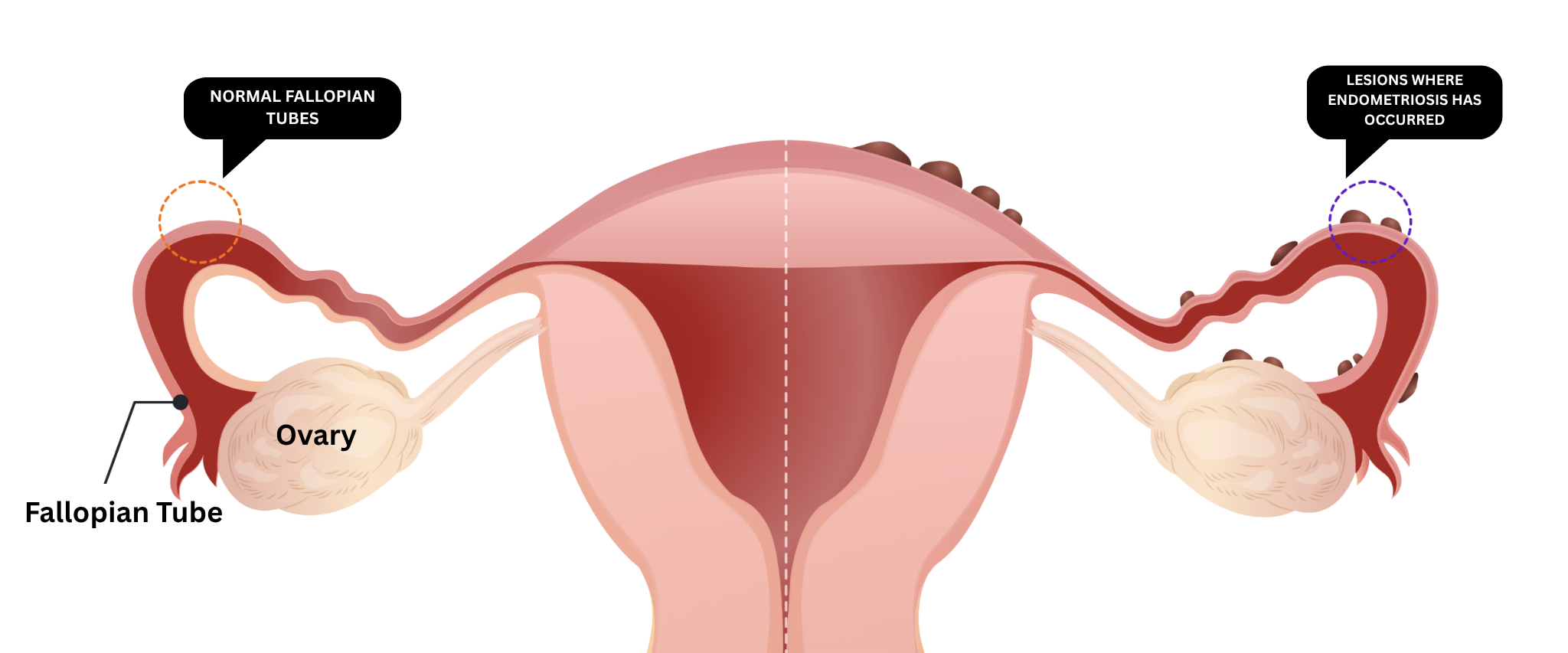
Endometriosis occurs when endometrial tissue attaches to various areas outside the uterus, forming superficial lesions that cause inflammatory changes.
The peritoneum, ovaries, and rectouterine pouch (pouch of Douglas) are the most common sites of endometriosis. By closely examining these areas, endometriosis can be accurately diagnosed.
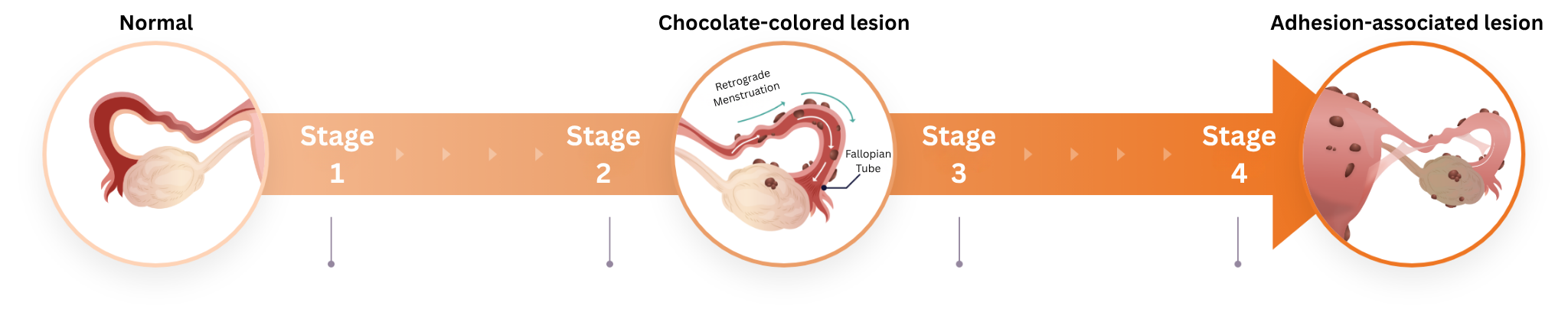
“Endometriosis is classified into Stages 1 through 4 according to the severity of the disease.“
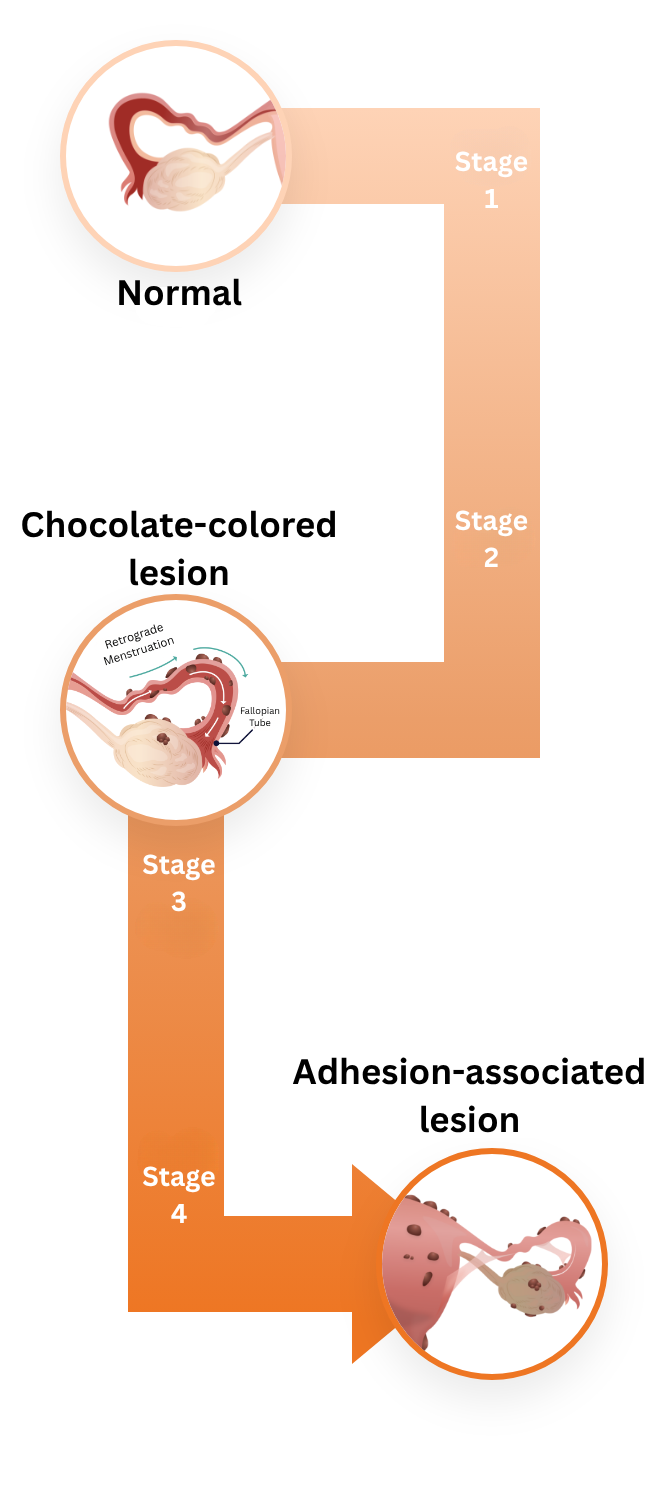
Stage 1
Small chocolate-colored lesions on the uterine wall, peritoneum, or ovaries, without adhesions
Stage 2
Lesions appearing in multiple areas in the form of small nodules
Stage 3
Lesions forming masses and becoming adhered to the pelvic organs
Stage 4
Large masses forming on the ovaries, with severe adhesions to the surrounding pelvic tissues, making the normal anatomy difficult to identify
Endometriosis symptoms

Severe Menstrual Pain
Severe menstrual pain is the most common symptom of endometriosis. It occurs when endometrial tissue grows in abnormal locations, causing bleeding and shedding of the tissue. This may be accompanied by premenstrual syndrome (PMS), ovulation pain, and pelvic pain.

Severe Menstrual Pain
Severe menstrual pain is the most common symptom of endometriosis. It occurs when endometrial tissue grows in abnormal locations, causing bleeding and shedding of the tissue. This may be accompanied by premenstrual syndrome (PMS), ovulation pain, and pelvic pain.

Severe Menstrual Pain
Severe menstrual pain is the most common symptom of endometriosis. It occurs when endometrial tissue grows in abnormal locations, causing bleeding and shedding of the tissue. This may be accompanied by premenstrual syndrome (PMS), ovulation pain, and pelvic pain.
Endometriosis!
Conditions That May Occur Depending on Its Location
Depending on where the endometrial tissue develops, endometriosis can cause various conditions.
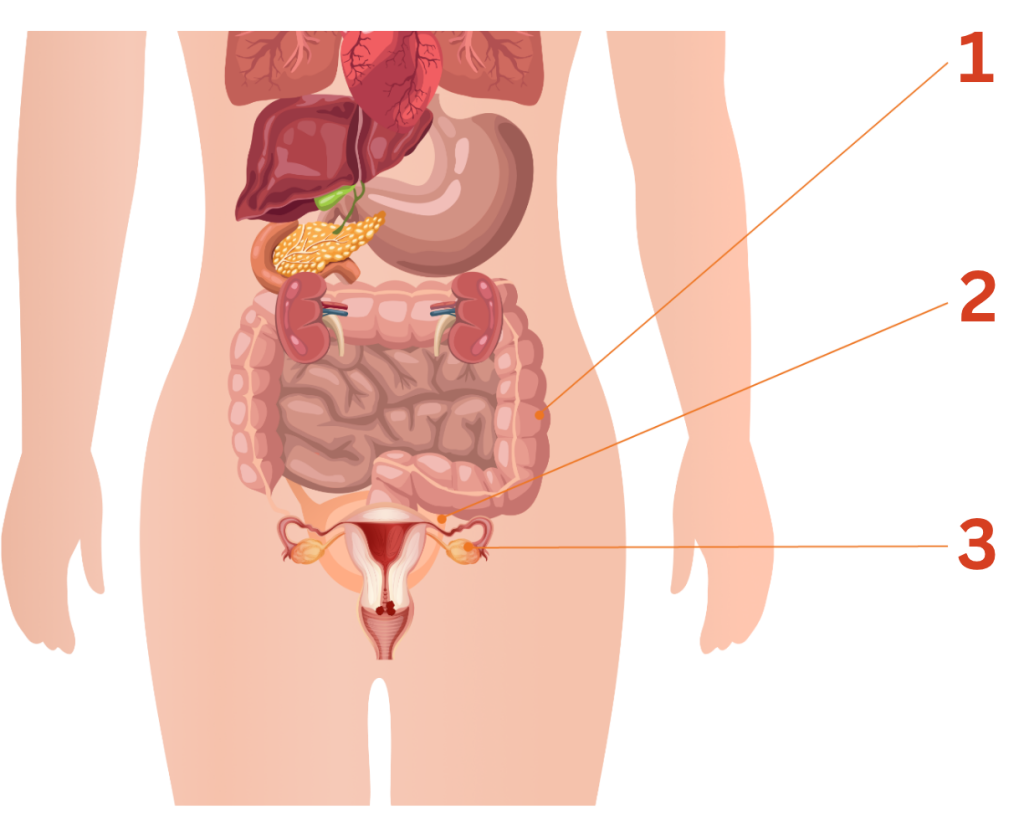
Colon
Abdominal bloating, pain during bowel movements, diarrhea or constipation, or rectal bleeding during menstruation
Bladder
Pain above the pubic bone, pain during urination, blood in the urine, and frequent or urgent urination
Ovaries
Formation of blood-filled cysts (endometriomas) that can cause severe acute abdominal pain and, in some cases, may rupture or leak
Early Screening Is “Always” the Priority
Uterine diseases are generally benign conditions and do not pose an immediate threat to life. However, if secondary degeneration or malignant transformation occurs, the uterus or lesion may suddenly increase in size.
If the condition is left untreated or diagnosis and treatment are delayed, it may affect uterine function and lead to other complications. Therefore, early detection and prompt treatment are essential.
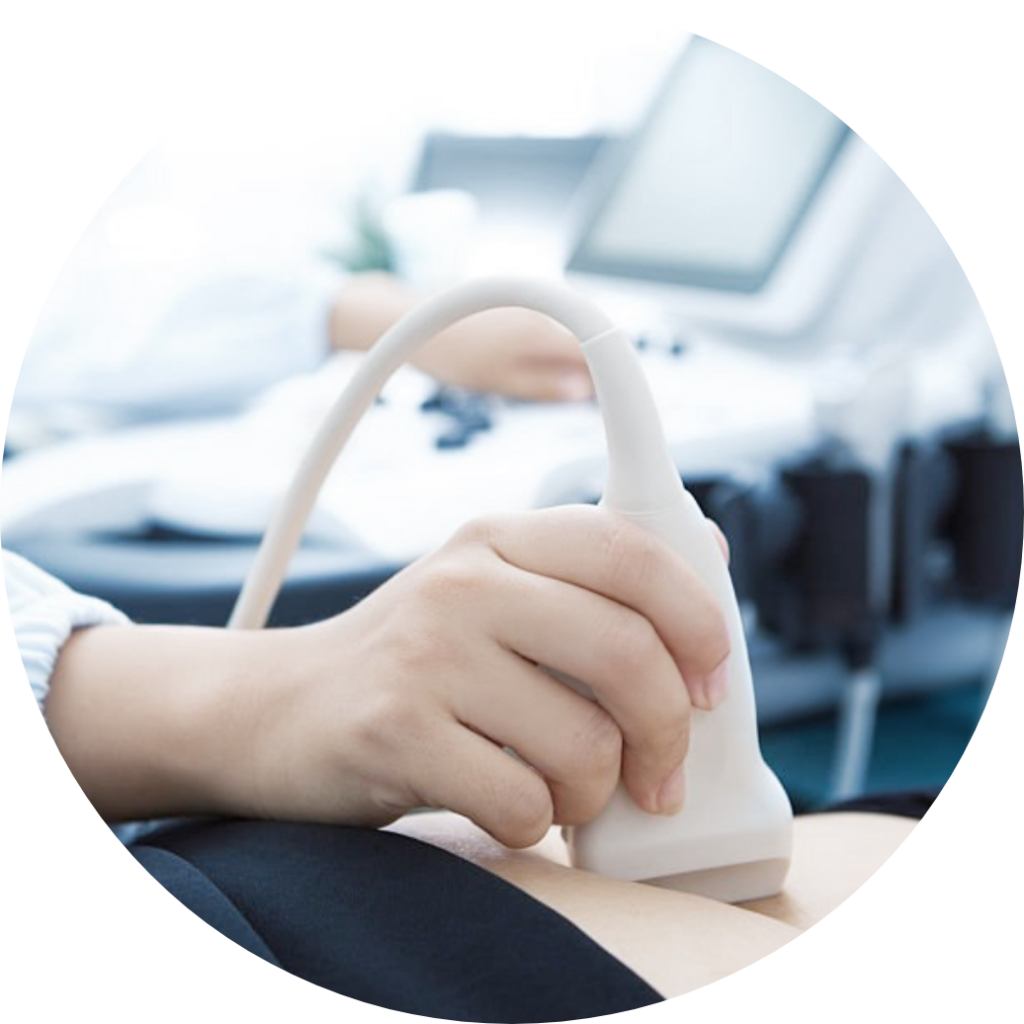
accurate test
Prompt treatment
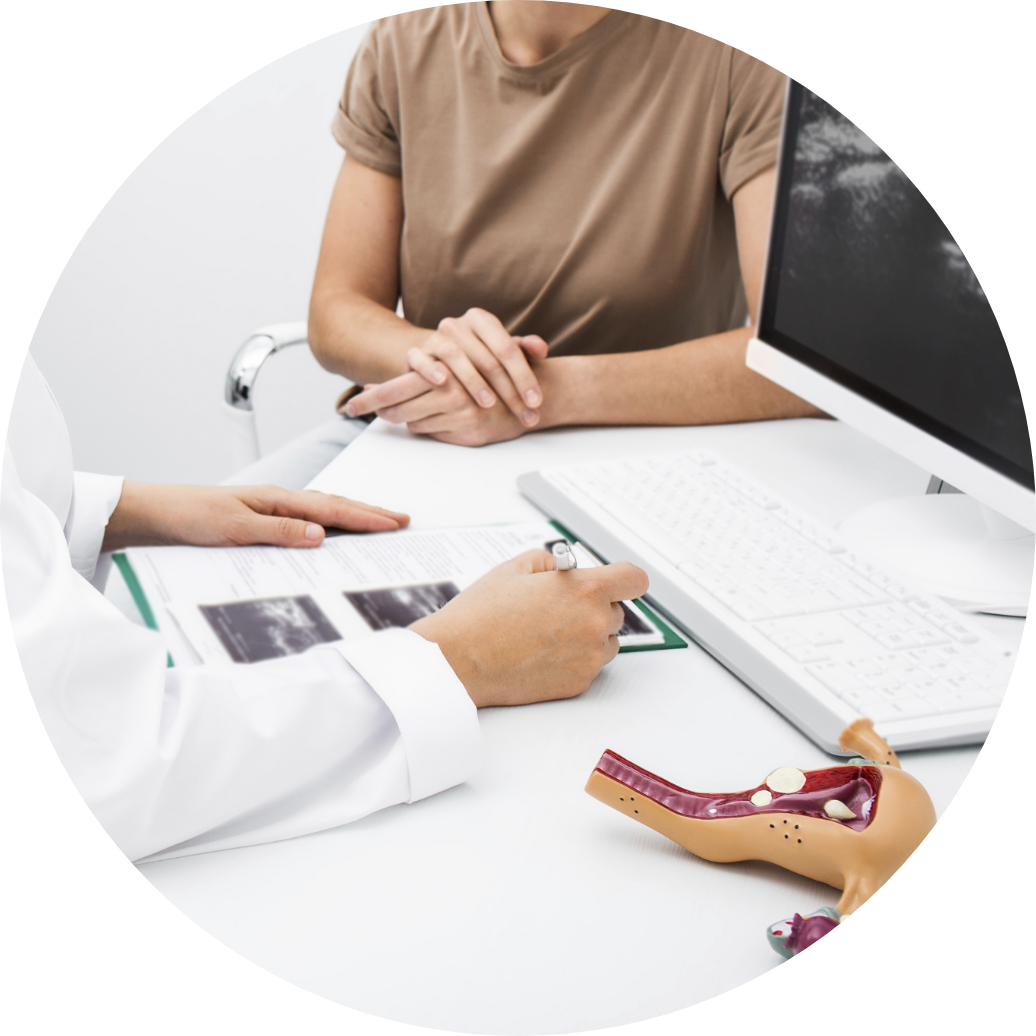
1:1 Personalized Non-Surgical Treatment
SEOUL MIZ Hospital carefully analyzes each patient’s condition and provides personalized treatment tailored to their individual needs, with a focus on uterus-preserving treatment.
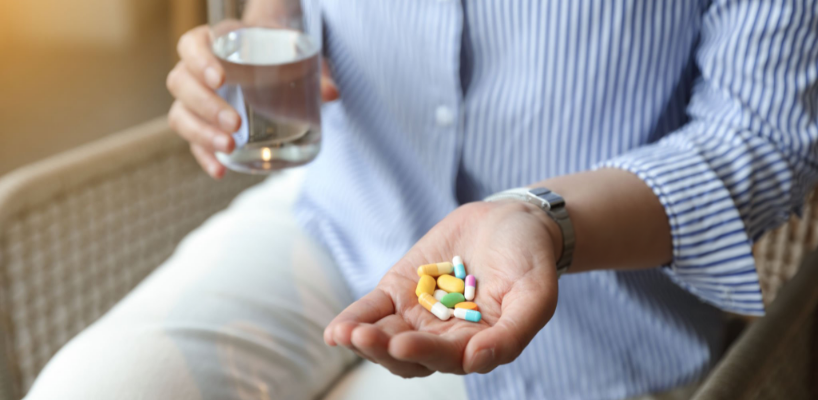
Medication Therapy
Depending on the prescription, medications may include pain relievers, oral hormonal medications, combined oral contraceptives, and gonadotropin-releasing hormone (GnRH) agonists.
Medication therapy alone cannot remove the lesions. However, preoperative medication therapy may shrink the lesions and reduce surrounding inflammation, which can facilitate subsequent surgery.
Surgical Treatment
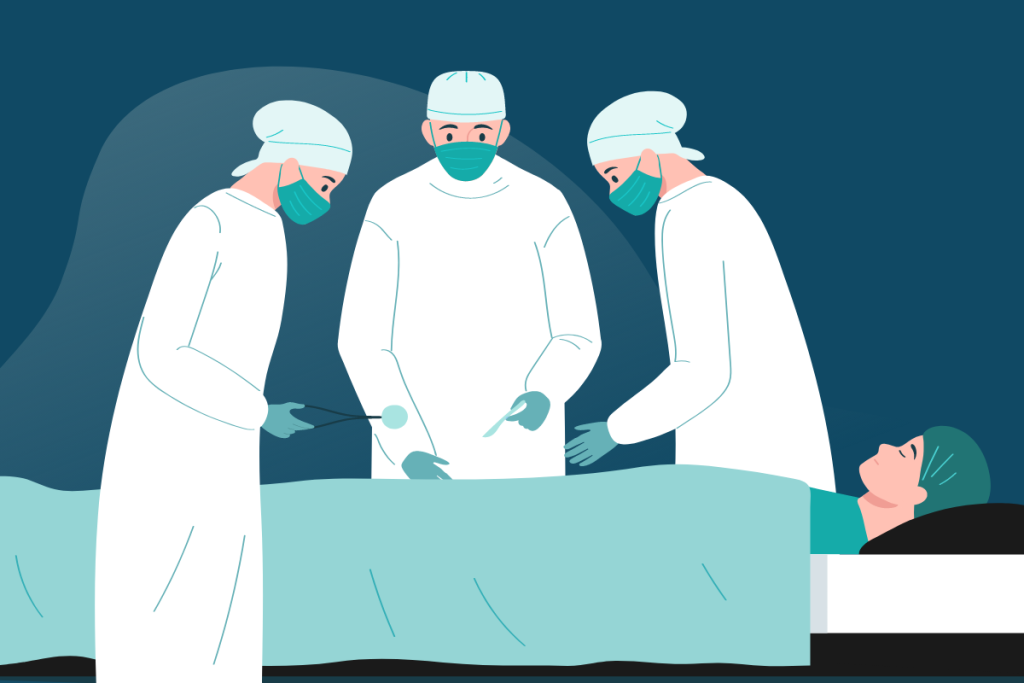
The appropriate surgical treatment method is determined based on the size and location of the fibroid. After carefully analyzing the patient’s symptoms and condition, we provide personalized treatment with patient safety as the highest priority.
Laparoscopic Surgery
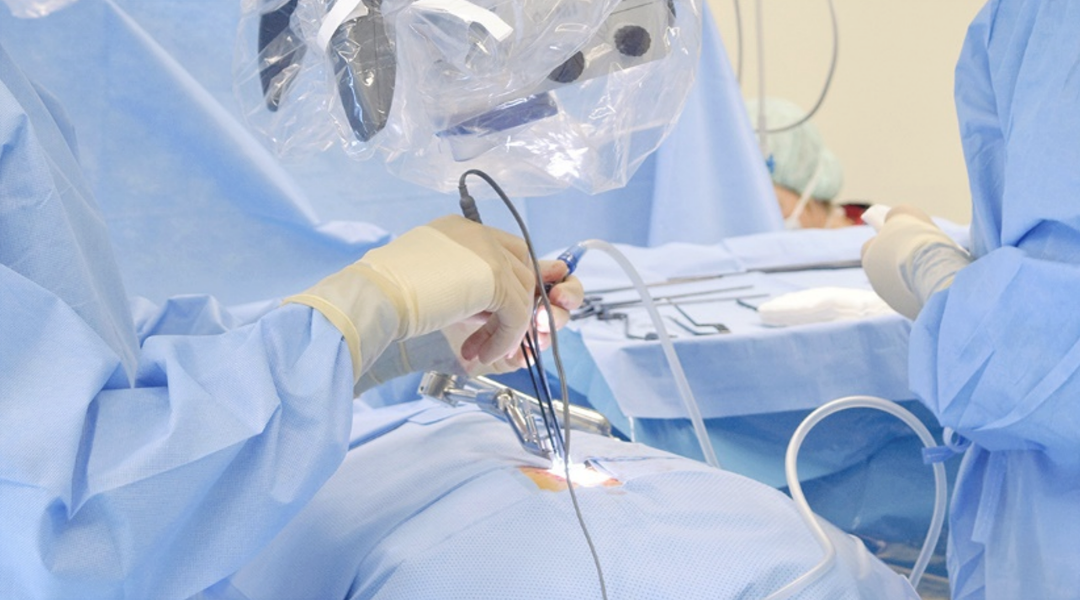
Unlike conventional open surgery, laparoscopic surgery is performed through 2–3 small incisions in the abdomen.
With minimal incisions of less than 0.5 cm, this technique reduces the risk of bleeding and infection during surgery. It also causes less postoperative pain and scarring, allowing patients to return to their daily activities more quickly.
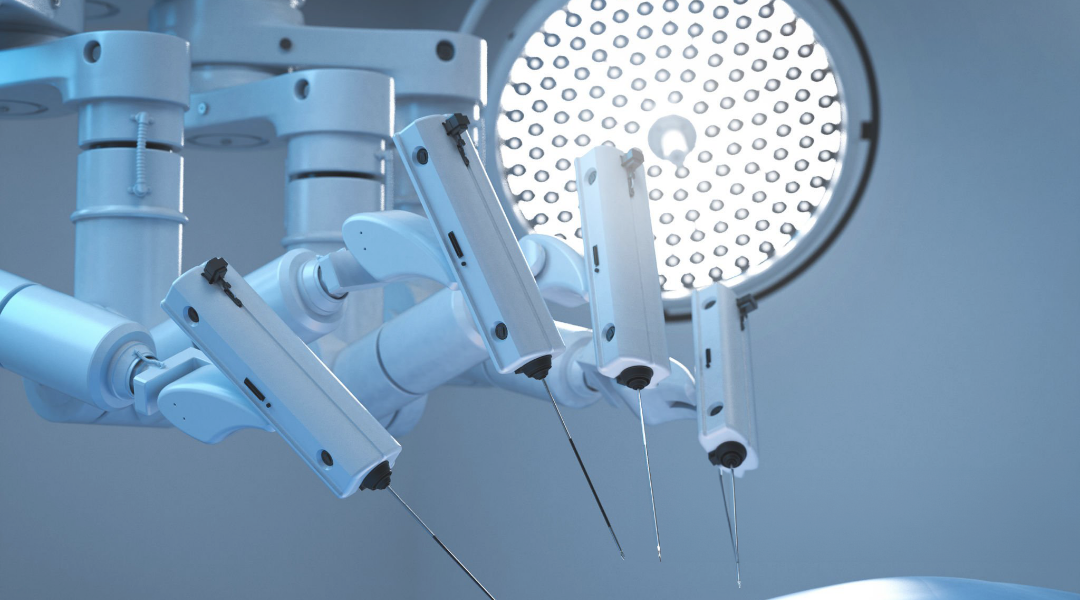
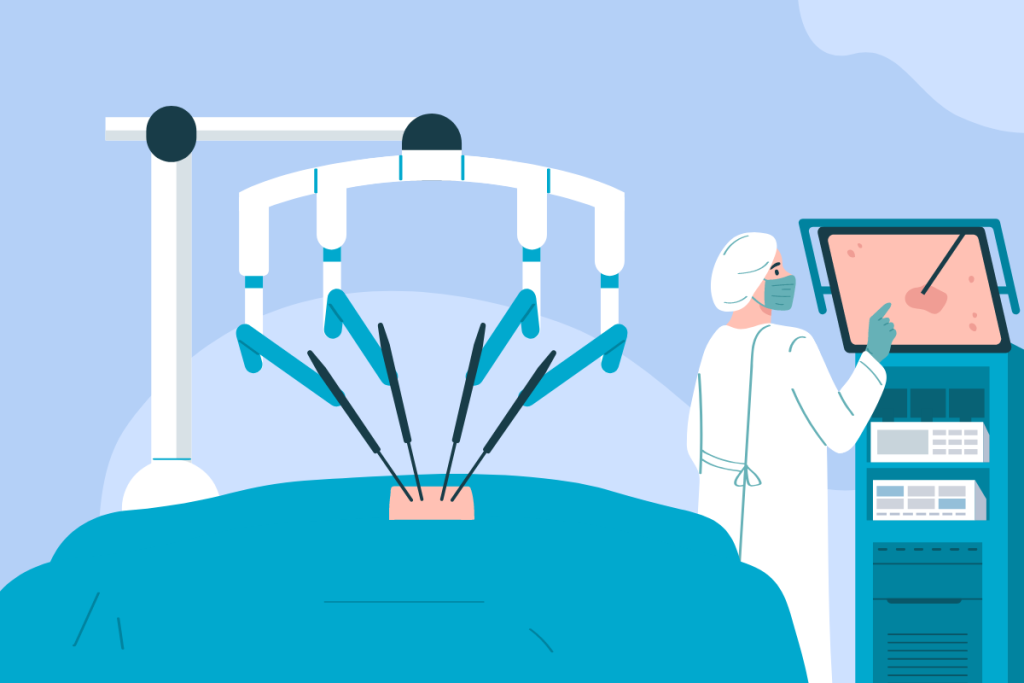
Da Vinci Robotic Surgery
Because the surgical field can be magnified using high-resolution 3D visualization, the surgical site can be examined with greater accuracy. In addition, the procedure is performed using robotic arms capable of highly precise, fine movements, enabling exceptionally delicate and precise surgery.
Uterine Fibroid & Ovarian Cyst Center
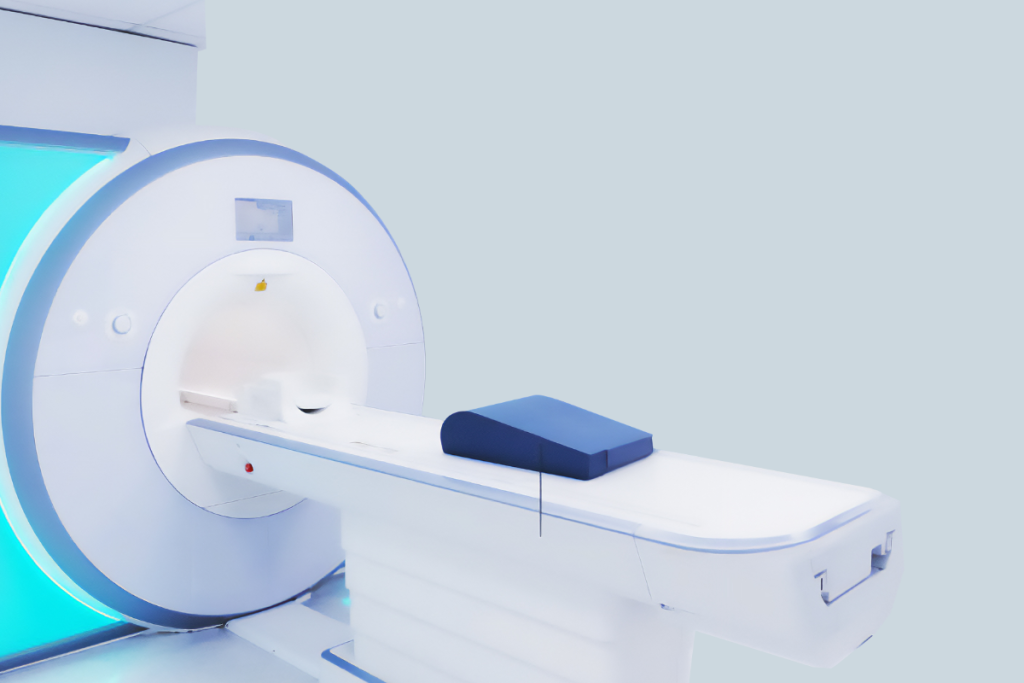
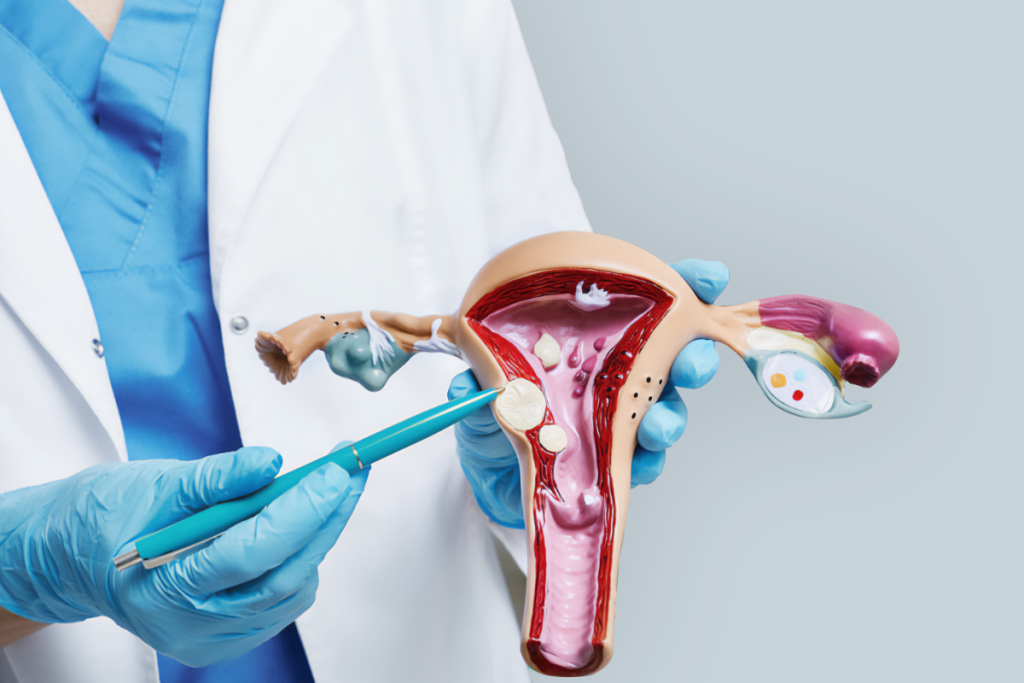
When you visit the Uterine Fibroid & Ovarian Cyst Center at SEOUL MIZ Hospital, we provide personalized treatment based on the type and location of the fibroid, following advanced precision diagnostics.
Laparoscopic Surgery
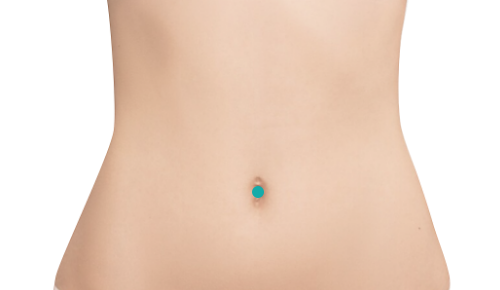
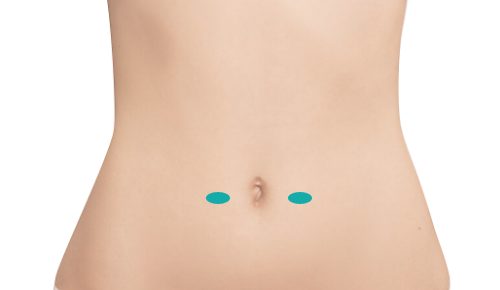
Laparoscopic surgery includes single-port laparoscopy, performed through a single incision, and conventional laparoscopic surgery, performed through 2–3 small incisions.
SEOUL MIZ Hospital provides personalized surgical treatment based on each patient’s condition.
|
Category |
Single-Port Laparoscopic Surgery |
Laparoscopic Surgery |
|---|---|---|
|
Surgical Site |
 |
 |
|
Number of Incisions |
1–2 |
2–3 |
|
Incision Length |
Approximately 2–2.5 cm |
Small incisions of less than 0.5 cm |
|
Scarring |
Almost invisible due to the incision being made inside the navel |
2–3 small scars |
|
Hospital Stay |
1–3 days |
1–3 days |
|
Pain |
Mild |
Mild |
|
Recovery Period |
5–10 days |
5–10 days |
|
Features |
Da Vinci Robotic Surgery
The precision of robotic surgery goes beyond the limitations of the human hand!
By enhancing surgical precision and reducing operating time, robotic surgery helps patients recover more quickly.

It is safe with automatic image stabilization.

Microscopic surgery and precise suturing are possible.
Movements that transcend the limitations of human range of motion are possible.

Based on 3D magnified images, more precise surgery is possible.
Seoul Miz Hospital aims for uterine and ovarian preservation treatment.
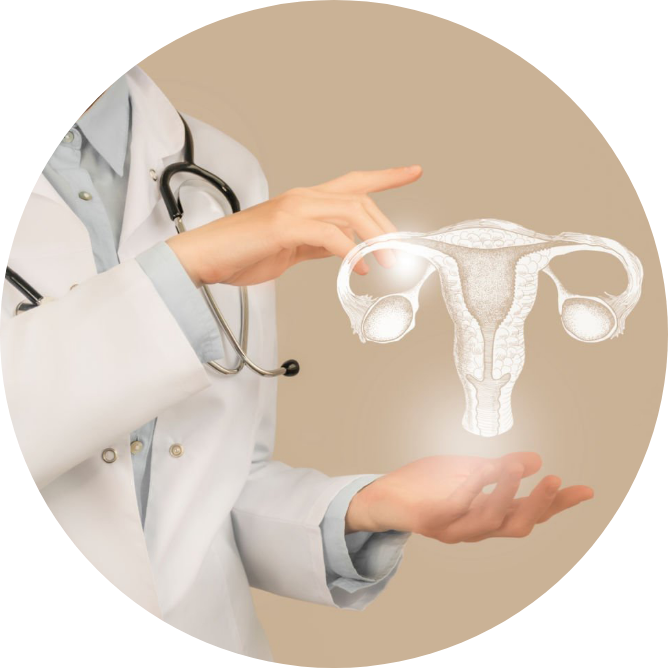
Physical Changes in Women Following ‘Uterine & Ovarian Removal’
When a hysterectomy and oophorectomy are performed due to uterine conditions such as uterine fibroids and adenomyosis, or because of malignant tumors, hormonal changes may cause women in their 30s and 40s to experience early menopause.
Amenorrhea & Premature Menopause
Absence of menstruation and inability to become pregnant
Complications
Concerns about complications such as
frequent urination, urinary difficulties, osteoporosis,
urinary incontinence, and cardiovascular disease
Hormonal Changes
Effects on ovarian function
and changes in hormone levels
Psychological Changes
Depression and anxiety
associated with the removal of the uterus
Hysterectomy and oophorectomy may help relieve symptoms associated with uterine and ovarian diseases. However, they can also lead to various postoperative complications and side effects, such as pain caused by postoperative adhesions, premature menopause, a sense of psychological loss, and physical fatigue after surgery, which may negatively affect a woman’s quality of life.
Checkpoints When Choosing a Hospital for Uterine Disease Treatment
The appropriate treatment method should be determined according to the type, size, and location of the uterine disease.

Over 10,000 Treatment Cases of Uterine Fibroids & Ovarian Cysts

Minimal Scarring, Fast Recovery

Dedicated Medical Team & Collaborative Care System
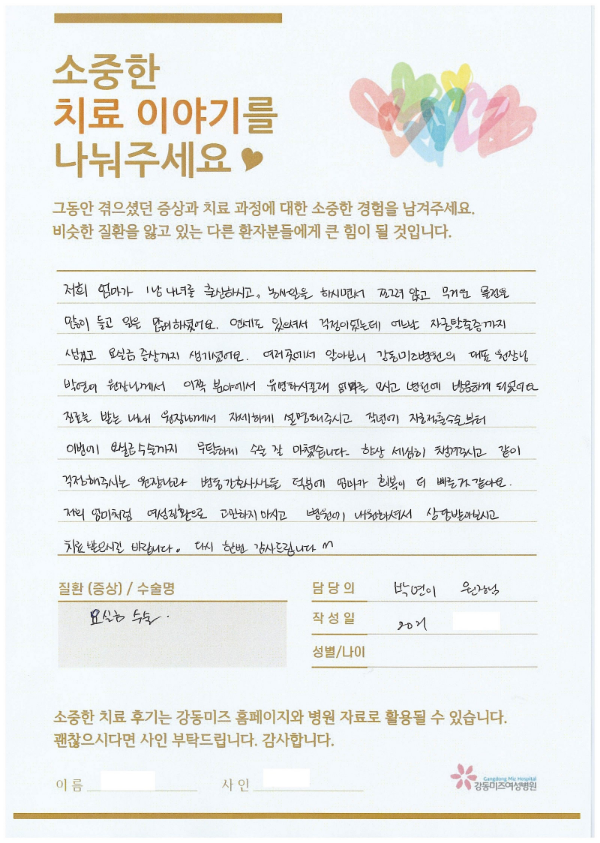
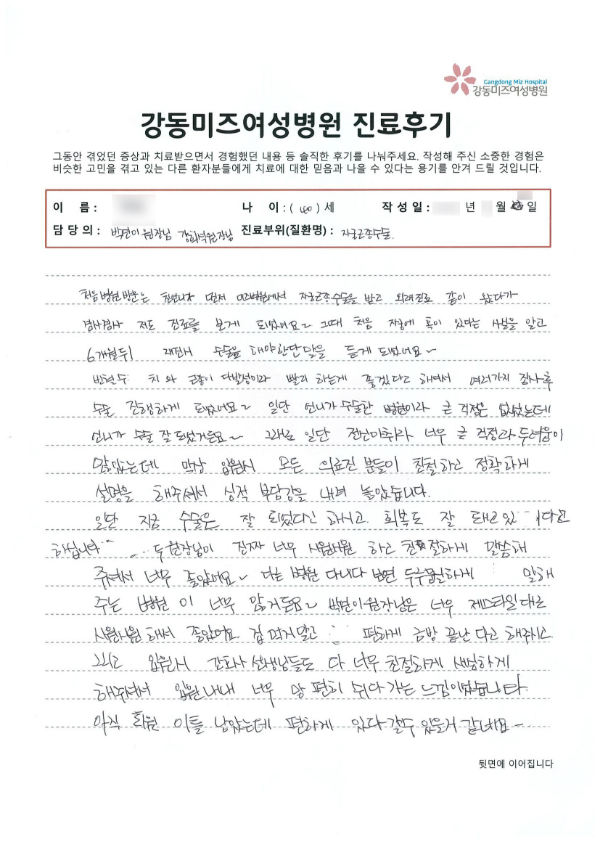
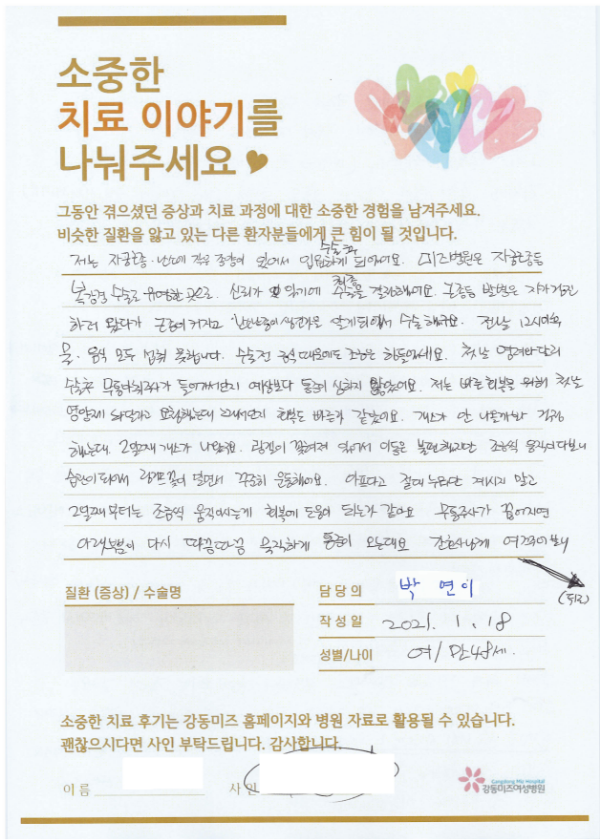
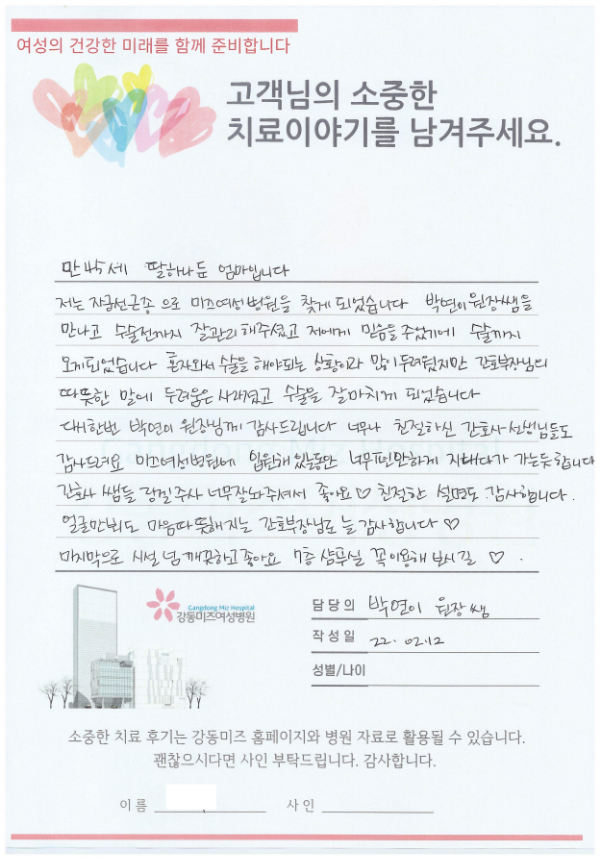
Uterine Fibroids · Ovarian Cyst Treatment Reviews

After undergoing two surgeries to remove a 15 cm uterine fibroid, I successfully gave birth to healthy twins.
I am grateful to Dr. Park Yeon-i because she was the first doctor I have ever met who truly cared about me as a patient.

I visited the hospital because I had a large uterine fibroid.
I was hesitant and very worried because I was young and afraid of having surgery. However, I underwent single-port laparoscopic surgery and am currently recovering.
Looking back, I feel that I could have had the surgery a little earlier, especially for the sake of achieving pregnancy and having a healthy delivery.