
Male Fertility Testing in Korea
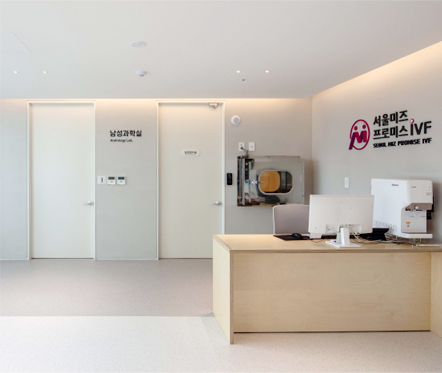
What Is Male Fertility Testing?
Male factors account for approximately 35–40% of infertility cases in male-female couples, and semen analysis is the most basic test for evaluating male reproductive function.
Through semen analysis, the volume of semen, sperm count, motor function, and percentage of normally shaped sperm are examined under a microscope to identify potential causes of male infertility. To ensure accurate test results, it is important to maintain an abstinence period of 2–5 days, and avoiding alcohol is also recommended.
How is Male infertility testing Done?
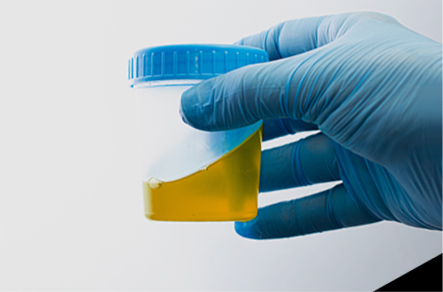
1 Urinalysis
Urinalysis – an analysis of the urine – is performed because various inflammatory conditions can occur in the prostate and urethra, which are part of the pathway through which semen passes. Even without symptoms, these conditions can negatively affect sperm quality, so a urine test is performed to check for such conditions.
In addition, when retrograde ejaculation, in which semen flows backward into the bladder, is suspected, a urine test is performed immediately after the semen analysis to check whether sperm are present in the urine.
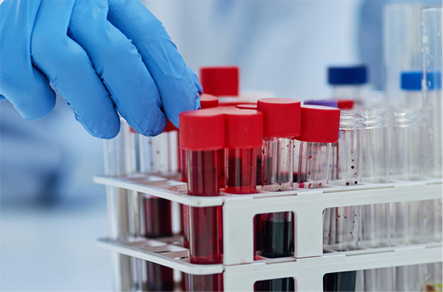
2 Blood Test
A blood test is performed to check for infectious diseases, chronic conditions, and other underlying conditions that may affect semen quality, as well as to assess the patient’s general health status.
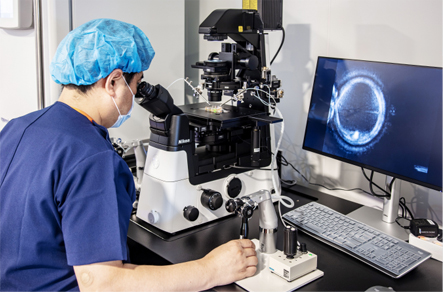
3 Semen Analysis
Semen analysis is the most basic test for evaluating male infertility. For accurate testing, patients should abstain from ejaculation for 2–5 days before the test. Semen is collected through masturbation in a soundproof room and immediately transferred to the Andrology Laboratory for examination.
The semen analysis evaluates various parameters, including semen volume, semen pH, total sperm count, sperm concentration, sperm motility, sperm morphology, sperm viability, and the number of red or white blood cells.
Begin Your Journey With Us
Fill in our consultation form to begin your treatment journey with us. Let us know your information and concerns, and a member of staff will respond as soon as possible to begin your free online consultation process.
Frequently Asked Questions
What is male fertility testing?
Male fertility testing evaluates male reproductive function, with semen analysis serving as the most basic test. It examines semen volume, sperm count, sperm movement, and the percentage of normally shaped sperm to help identify possible causes of male infertility.
How common are male factors in infertility among male-female couples?
Male factors account for approximately 35–40% of infertility cases in male-female couples.
How should I prepare for a semen analysis?
You should abstain from ejaculation for 2–5 days before testing. Avoiding alcohol is also recommended to support accurate results.
Why might I need a urinalysis during male fertility testing?
A urinalysis checks for inflammatory conditions in the prostate or urethra that may affect sperm quality, even when you do not have symptoms.
How is urine testing used if retrograde ejaculation is suspected?
If retrograde ejaculation is suspected, a urine test is done immediately after semen analysis to check whether sperm are present in the urine.
What does the blood test check during male fertility testing?
The blood test checks for infectious diseases, chronic conditions, and other underlying issues that could affect semen quality. It also helps assess your overall health.
How is a semen sample collected?
The sample is collected through masturbation in a soundproof room and immediately transferred to the Andrology Laboratory for examination.
What does semen analysis measure?
Semen analysis measures semen volume, semen pH, total sperm count, sperm concentration, sperm motility, sperm morphology, sperm viability, and the number of red or white blood cells.