
IVF and Fertility Treatment in Korea
Recurrent Implantation Failure & Recurrent Pregnancy Loss

What Are Recurrent Implantation Failure and Recurrent Pregnancy Loss?
Recurrent implantation failure (RIF) refers to a condition in which transferred embryos fail to successfully implant in the endometrium, and recurrent pregnancy loss (RPL) is the miscarriage of a clinical pregnancy, two or more times.
Recurrent implantation failure and recurrent pregnancy loss are not conditions that should lead to giving up. With accurate diagnosis of the various underlying causes and personalized treatment strategies, they can often be overcome. It is important to communicate actively with experienced medical professionals without losing hope and to find the treatment approach that is best suited to your individual needs.
Causes of RIF and RPL:
- Embryonic factors (chromosomal abnormalities)
- Structural factors of the uterus
- Immunological factors
- Endocrinological factors
- Genetic factors
- Lifestyle factors (smoking, alcohol consumption, obesity, and stress)
- Blood coagulation disorders
How We Assess and Treat For Recurrent Implantation Failure and Pregnancy Loss
Based on the diagnostic results, a personalized treatment plan is developed according to the underlying cause for each individual. Treatment methods vary depending on the cause, and the following approaches may be considered.
Embryonic Factors
Embryo chromosomal testing followed by transfer of chromosomally normal embryos; assisted reproductive techniques to improve egg and sperm quality
Uterine Factors
Removal of uterine fibroids/polyps, removal of intrauterine adhesions, correction of uterine anomalies, endometrial scratching, and PRP treatment
Immunological Factors
Immunosuppressants, steroids, low-dose aspirin, heparin, and intravenous immunoglobulin (IVIG) injections
Endocrinological Factors
Thyroid function-regulating medications, progesterone supplementation, ovulation-inducing medications, and management of Polycystic Ovary Syndrome (PCOS)
Lifestyle Factors
Education and counseling on maintaining a healthy lifestyle
Genetic Factors
Assess the condition of the embryos before transfer through genetic counseling, preimplantation genetic testing (PGT), embryo screening, and other methods
Blood Coagulation Disorders
Help promote implantation and maintain pregnancy through anticoagulant therapy
Other Factors
Improve implantation rates by modifying the existing embryo transfer method and timing, adjusting the dosage and administration method of various luteal-phase support medications, and utilizing embryo glue, assisted hatching, and blastocyst-stage embryo transfer
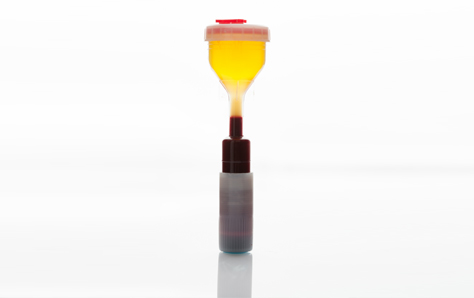
Intrauterine Platelet-Rich Plasma Injection (PRP Injection)
The reason intrauterine platelet-rich plasma injection is gaining attention is its potential to overcome the limitations of conventional assisted reproductive technologies and fundamentally improve endometrial function. In addition to playing a role in blood coagulation, platelets contain various growth factors that are important for promoting the regeneration of damaged tissue and inducing angiogenesis. PRP treatment, which concentrates these abundant platelet-derived growth factors and directly injects them into the uterus, offers a new potential solution for various causes of infertility, including thin endometrium, recurrent implantation failure, and chronic endometritis.
Begin Your Journey With Us
Fill in our consultation form to begin your treatment journey with us. Let us know your information and concerns, and a member of staff will respond as soon as possible to begin your free online consultation process.
Frequently Asked Questions
What is recurrent implantation failure?
Recurrent implantation failure occurs when transferred embryos do not successfully implant in the endometrium.
What is recurrent pregnancy loss?
Recurrent pregnancy loss means having a clinical pregnancy end in miscarriage two or more times.
What can cause recurrent implantation failure or recurrent pregnancy loss?
Possible causes include embryo chromosomal abnormalities, uterine structural issues, immunological, endocrinological, genetic, lifestyle, and blood-coagulation factors.
How are recurrent implantation failure and pregnancy loss treated?
Treatment is tailored to the underlying cause identified through diagnostic assessment.
What options are available when embryo-related factors are involved?
Options may include embryo chromosomal testing, transferring chromosomally normal embryos, and assisted reproductive techniques intended to improve egg and sperm quality.
How can uterine factors be addressed?
Treatment may involve removing fibroids or polyps and intrauterine adhesions, correcting uterine anomalies, endometrial scratching, or PRP treatment.
What treatments may be considered for immunological factors?
Possible approaches include immunosuppressants, steroids, low-dose aspirin, heparin, and intravenous immunoglobulin injections.
How are endocrinological factors managed?
Management may include thyroid-regulating medication, progesterone supplementation, ovulation-inducing medication, and care for polycystic ovary syndrome.
What support is available for lifestyle-related factors?
Education and counseling can help support a healthy lifestyle.
How can genetic factors be evaluated before embryo transfer?
Genetic counseling, preimplantation genetic testing, embryo screening, and other methods may be used to assess embryos before transfer.
How are blood-coagulation disorders addressed?
Anticoagulant therapy may be used to help promote implantation and support pregnancy maintenance.
What other methods may help improve implantation rates?
Options may include changing embryo-transfer timing or method, adjusting luteal-phase support medications, and using embryo glue, assisted hatching, or blastocyst-stage embryo transfer.
What is intrauterine platelet-rich plasma injection?
It is a treatment that concentrates platelet-derived growth factors and injects them directly into the uterus to support endometrial function.
When might PRP treatment be considered?
PRP treatment may be considered for thin endometrium, recurrent implantation failure, and chronic endometritis.