We prioritize uterine preservation.
Seoul Miz’s
standards are different.
The goal of treating uterine fibroids, adenomyosis, and ovarian cysts is not simply to remove the disease. We consider the health of the uterus and ovaries, future pregnancy plans, and the woman’s life as a whole.
urinary incontinence
Laparoscopic
Cumulative number of medical treatments
robotic surgery
hysteroscopy
From 3.0T MRI Advanced Diagnostics to Robotic Laparoscopic Surgery
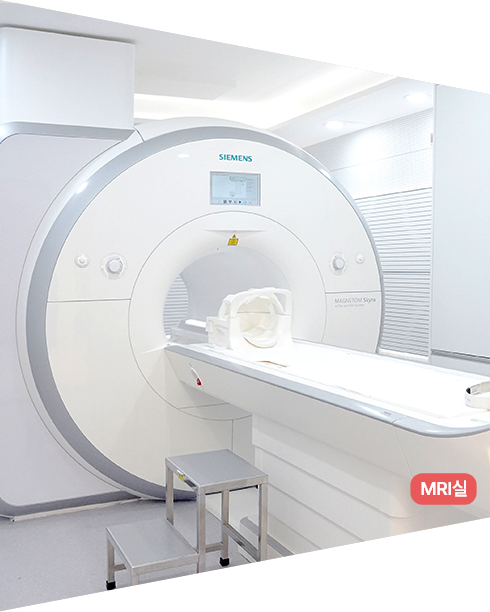
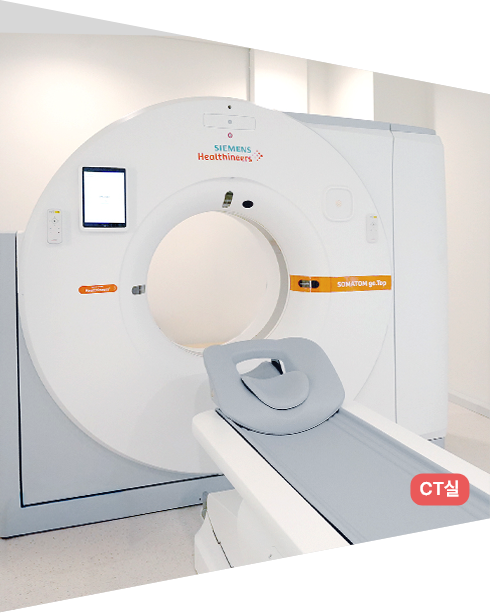
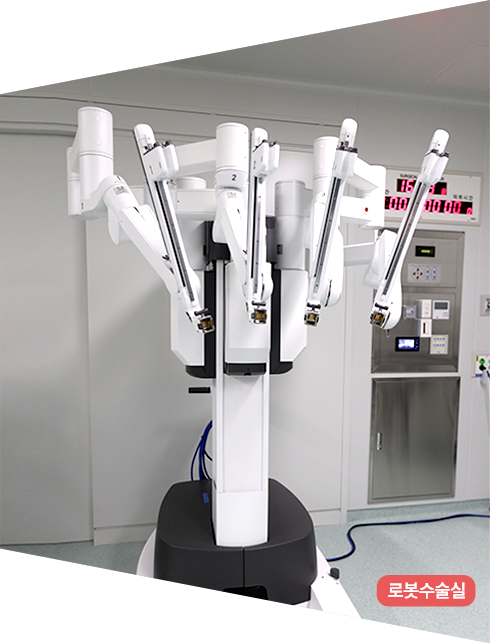
Through advanced precision diagnostic equipment, we accurately identify even small lesions that may not be visible to the naked eye and provide personalized treatment ranging from non-surgical therapies to robotic surgery.
4th-Generation Da Vinci X Robotic Surgical System
SIEMENS
3.0T AI MRI
SIEMENS
384MSCT
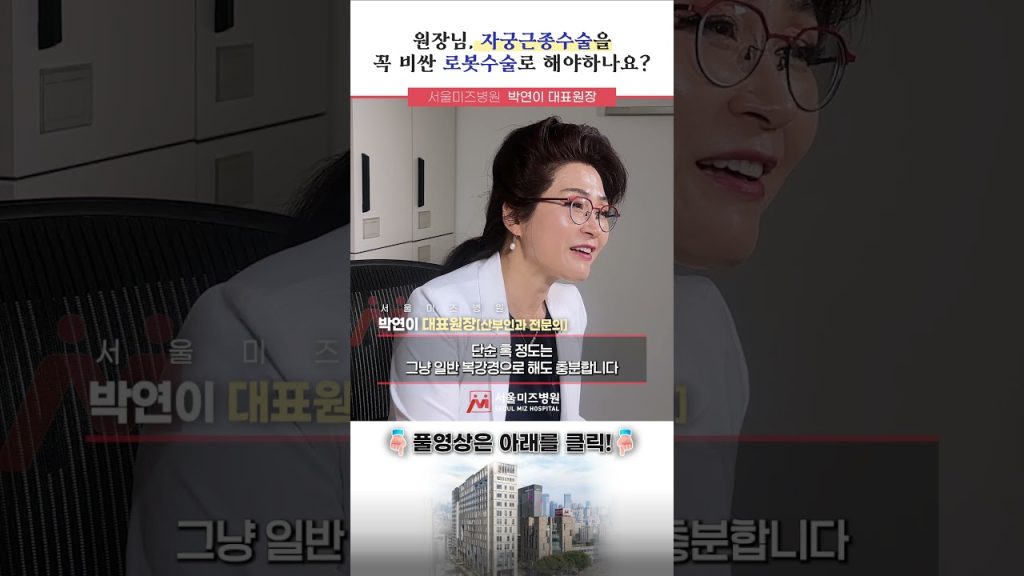
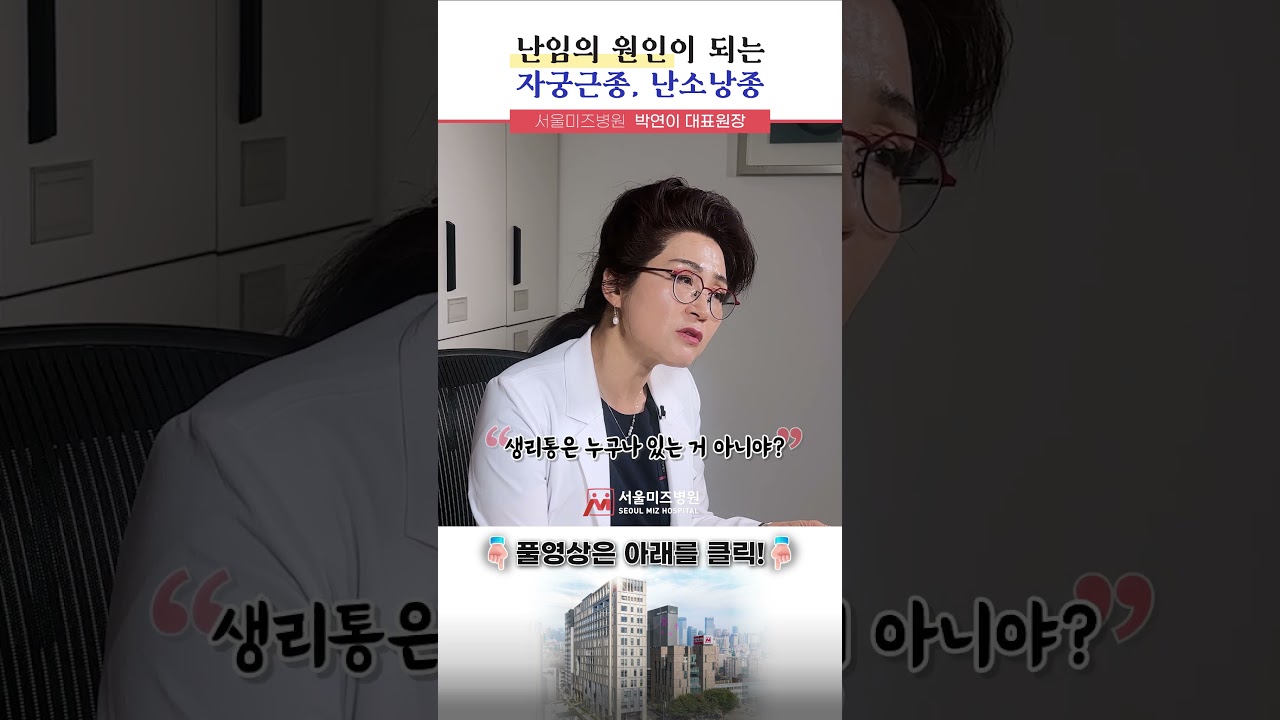
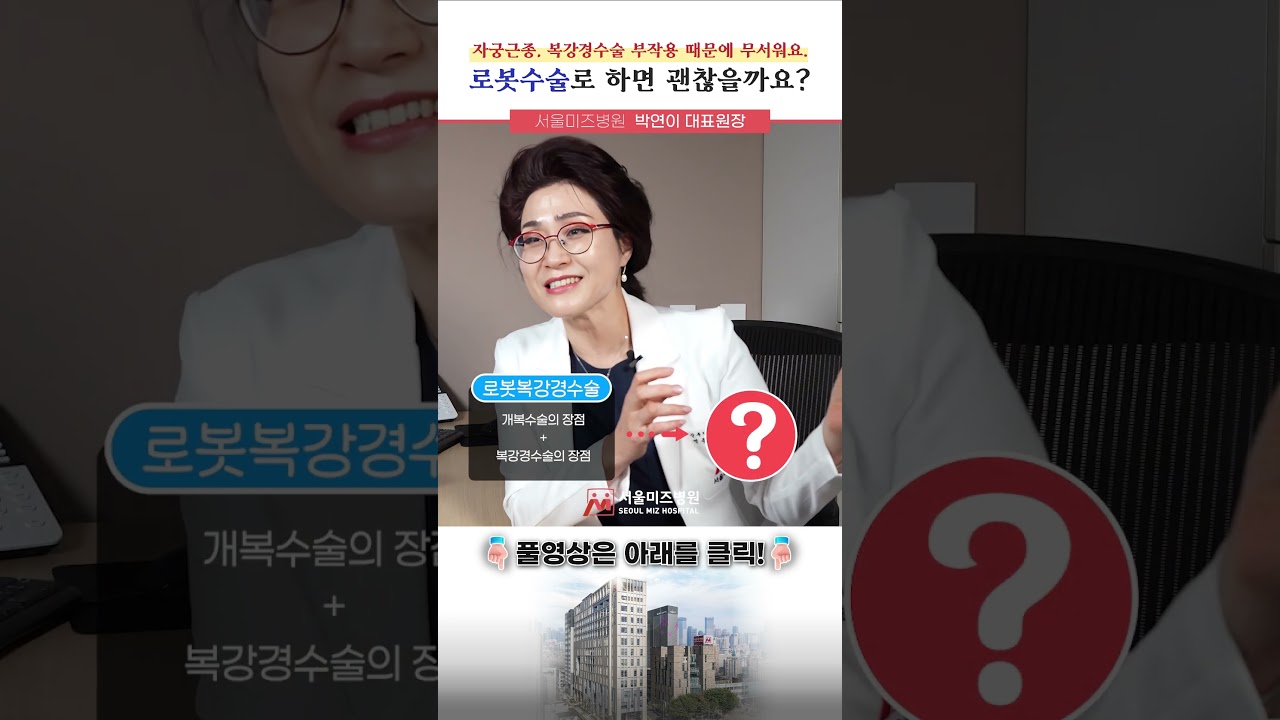
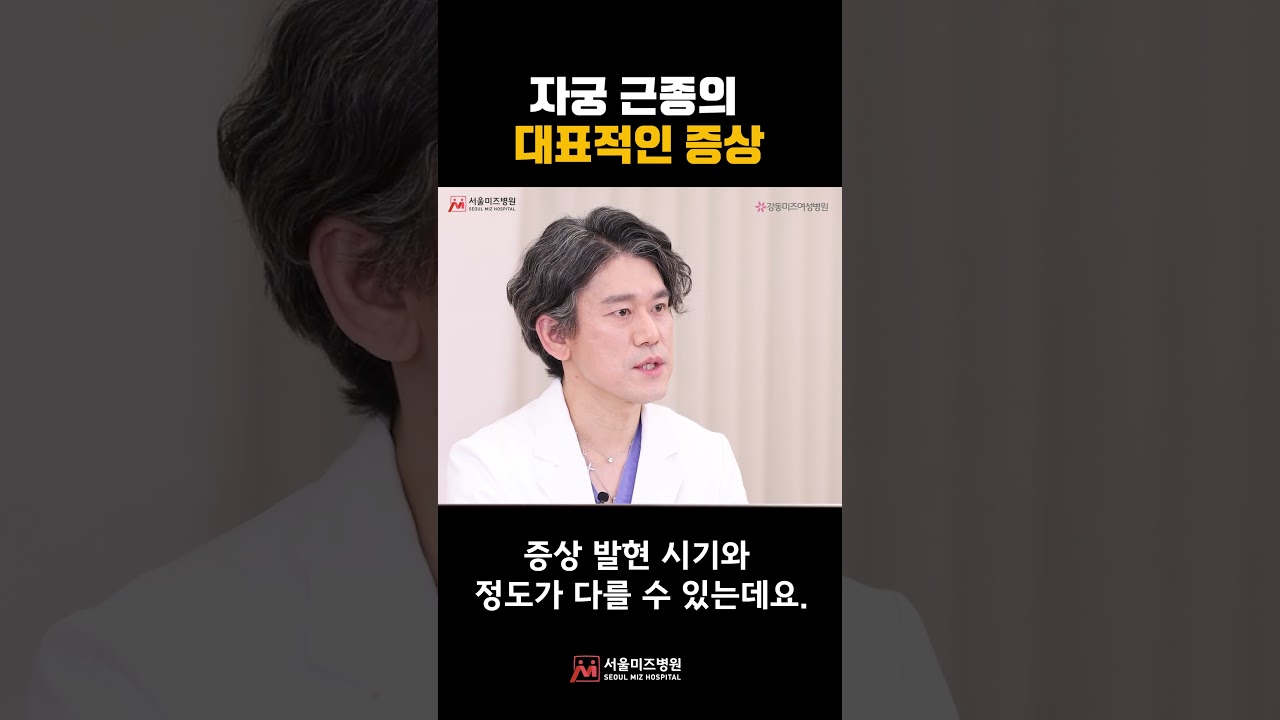
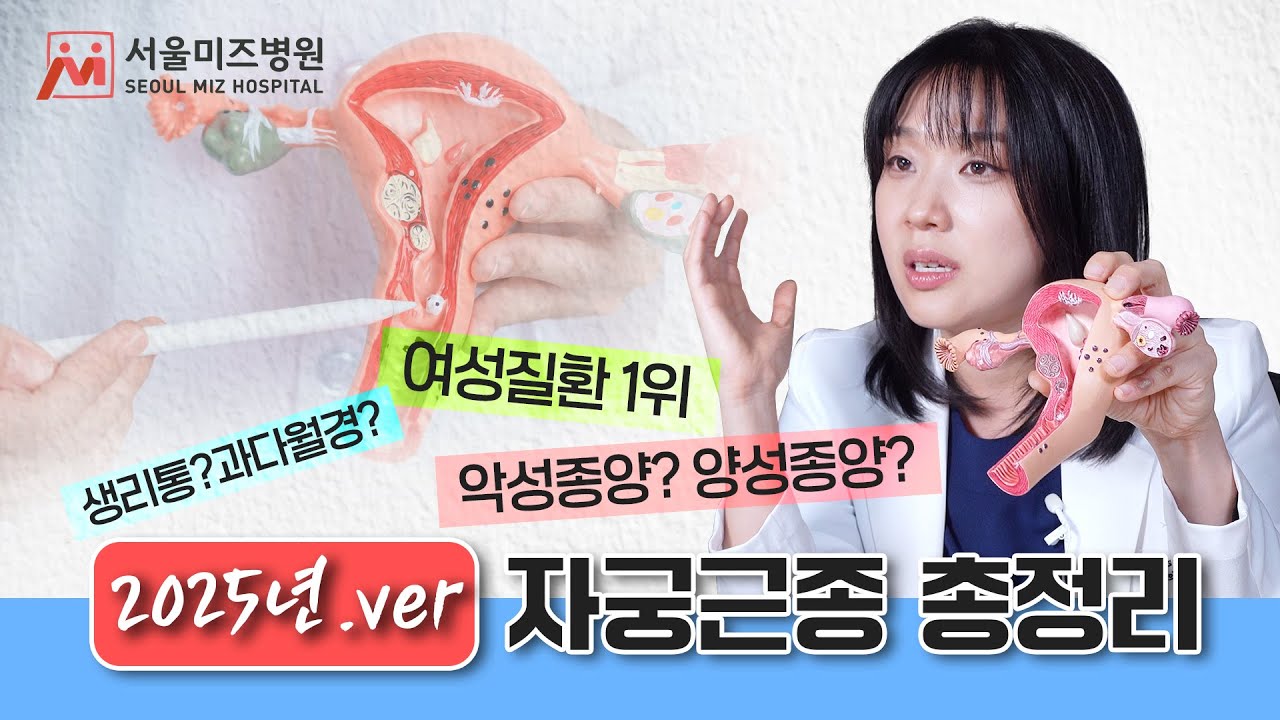
Seoul Miz Medical TV YouTube
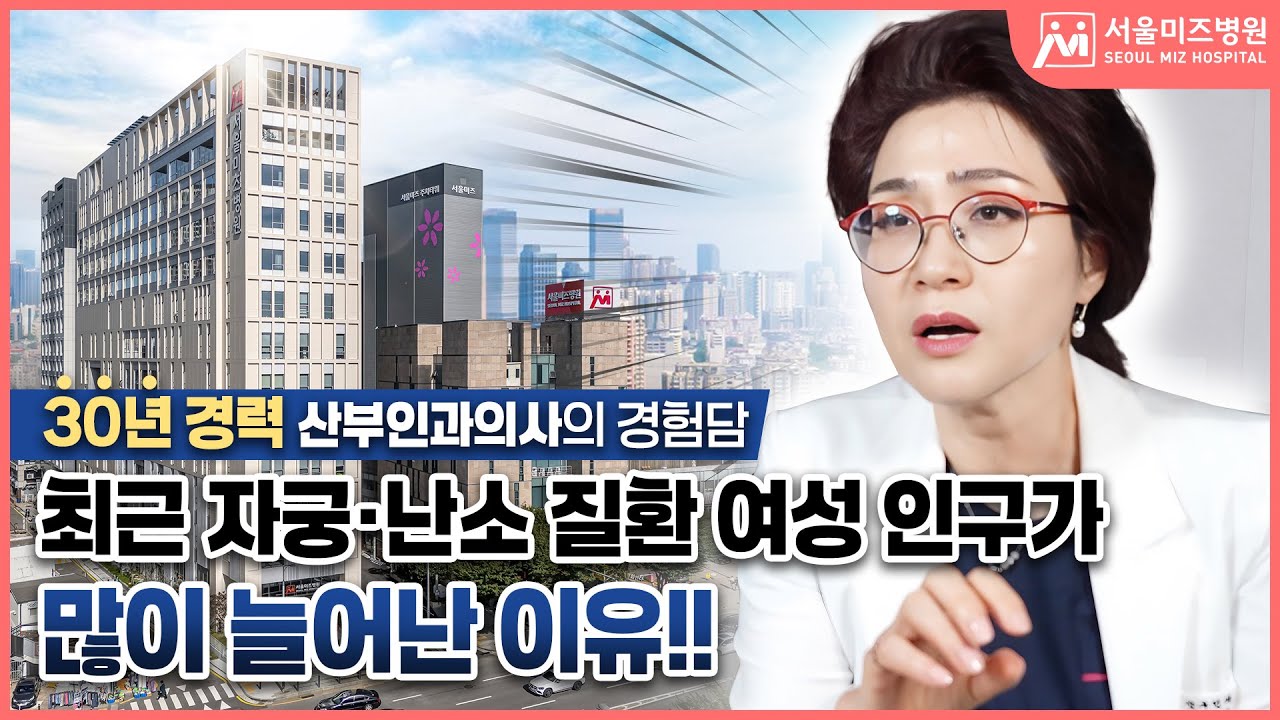
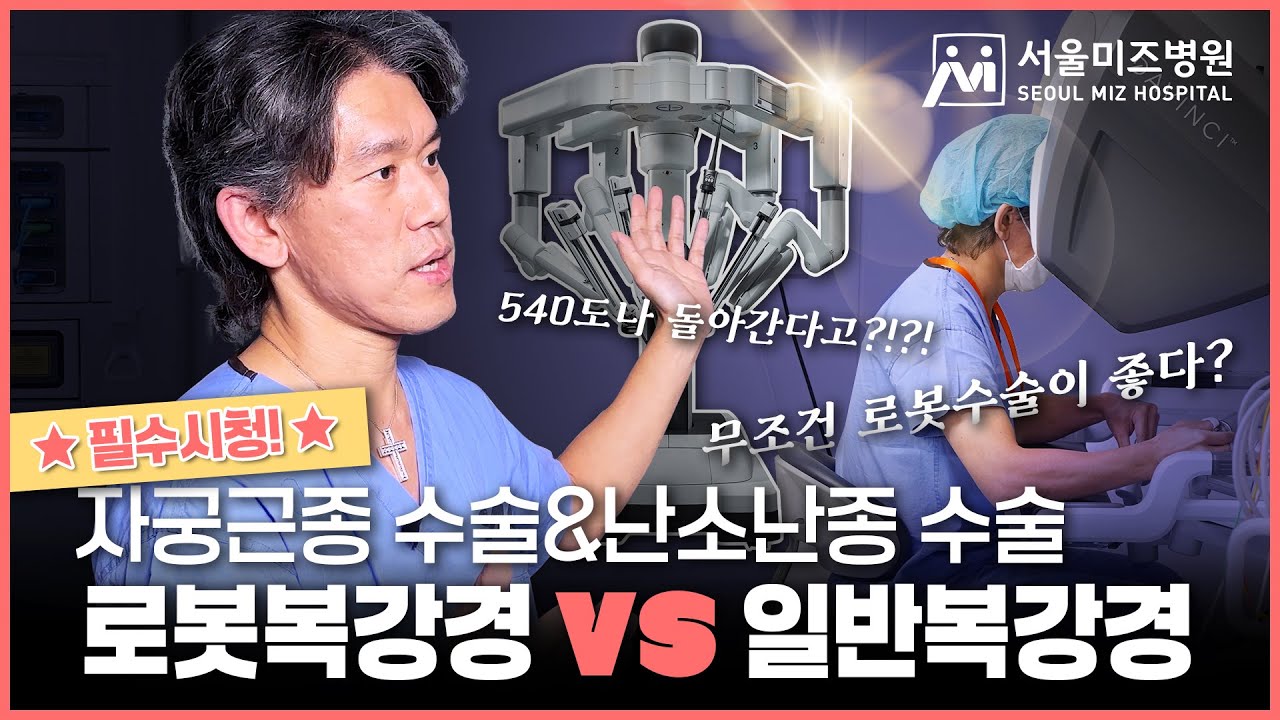
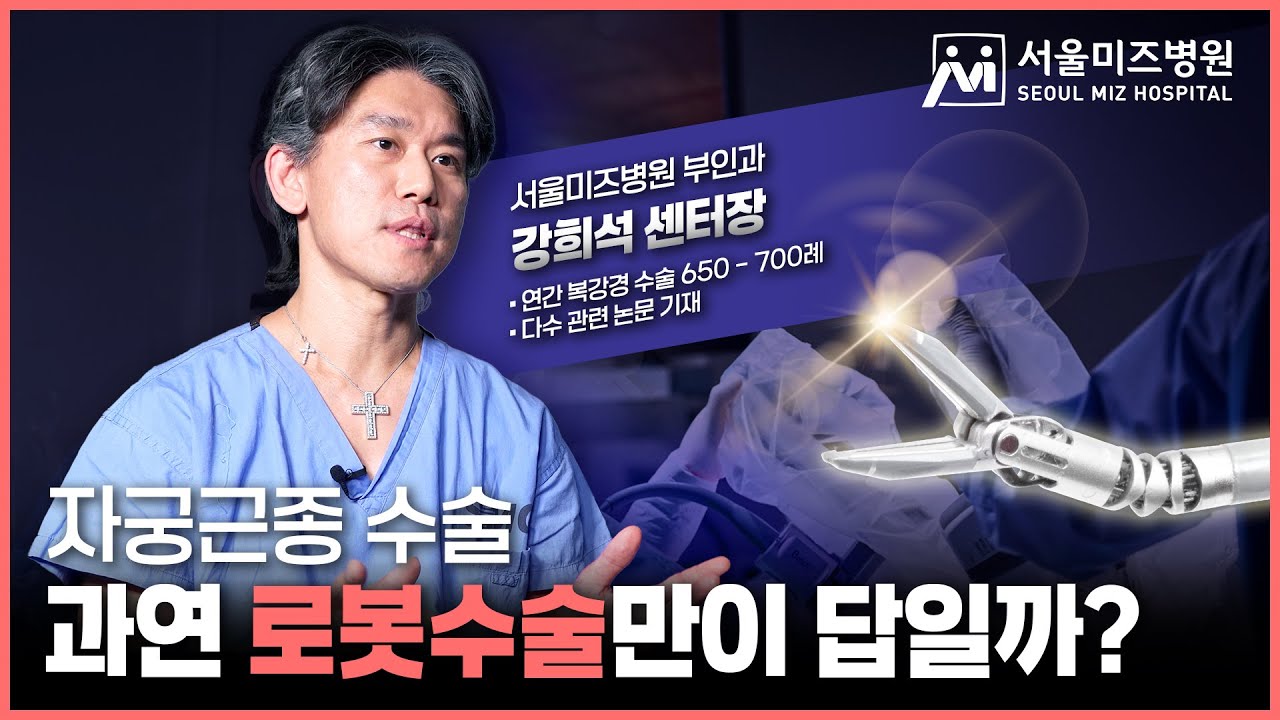

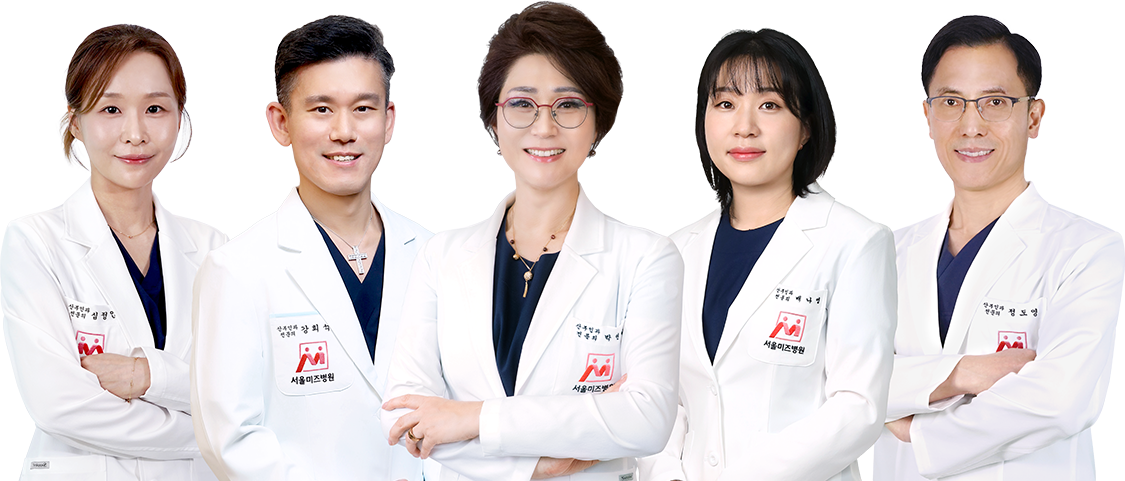
Seoul Miz Robotic Surgery Medical Team
A medical team dedicated to robotic surgery works together to review the patient’s condition from various angles based on experience with diverse women’s diseases and complex surgeries, proposing the most suitable treatment plan ranging from uterine-preserving therapy to robotic laparoscopic surgery.
Seoul Miz, Meeting Through Space
Treatment does not take place only in the operating room. From the moment of your first visit until the time of recovery, Seoul Miz considers the patient’s experience.


Seoul Miz, proven by trust
This is why patients choose Korea’s recognized specialized women’s hospital first.


uterine fibroids
“I have pain even though I’m not on my period, and I feel uncomfortable and bloated in my lower abdomen.”
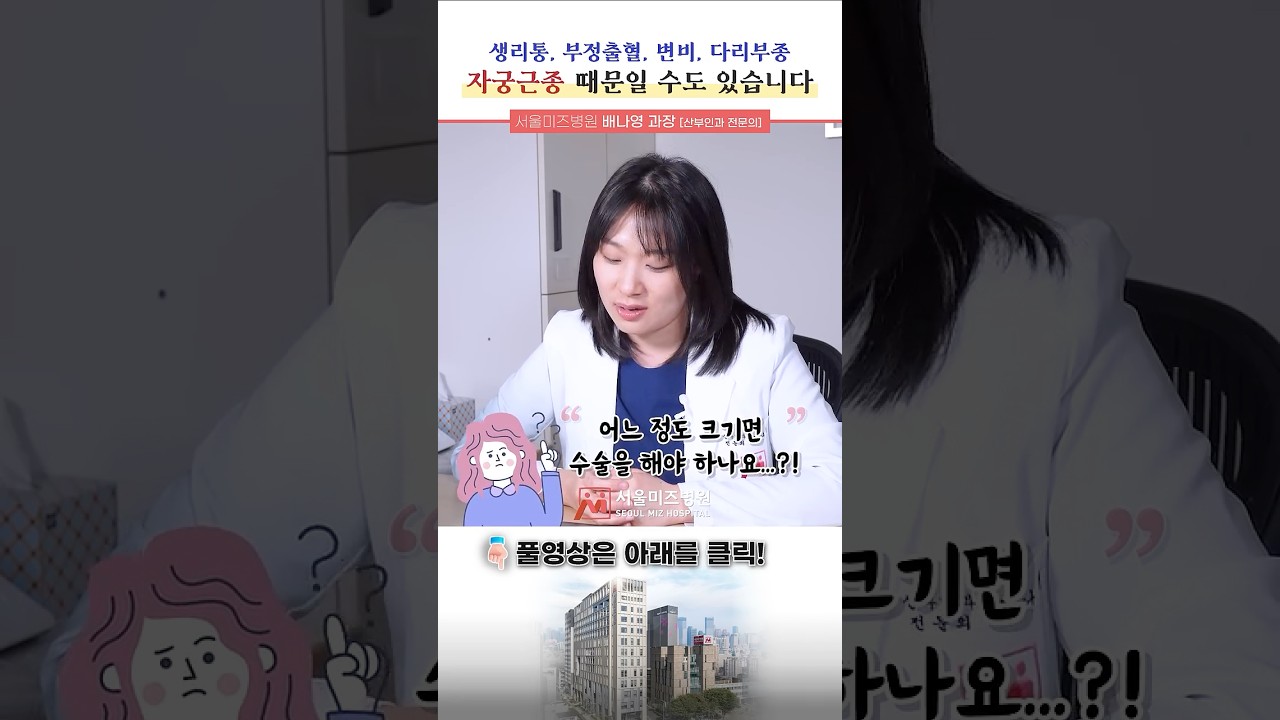
Abnormal Bleeding! Anemia Found During a Checkup! Lower Abdominal Pain! Abdominal Bloating!
Don’t ignore these symptoms. They may be signs of uterine fibroids.
The earlier uterine fibroids are detected, particularly when they are small, the more likely they can be treated without concerns about visible scarring. If you experience any unusual symptoms, it is important to visit a hospital promptly for accurate diagnosis and appropriate treatment.
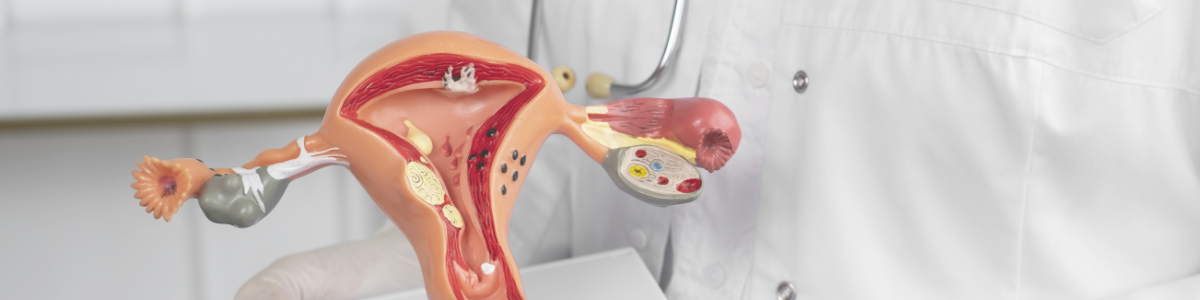
What are uterine fibroids?
Uterine fibroids are benign tumors that develop in the smooth muscle layer of the uterus.
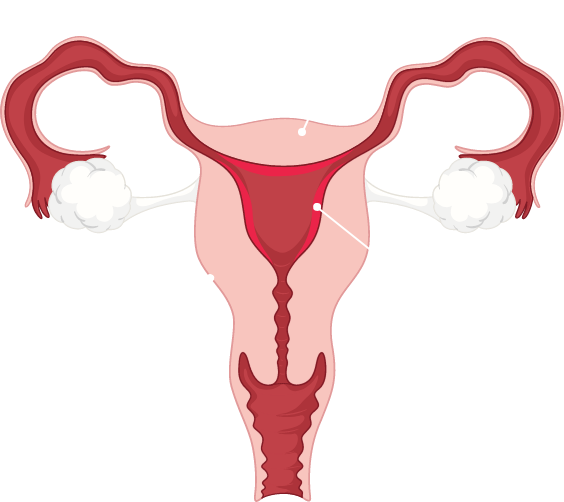
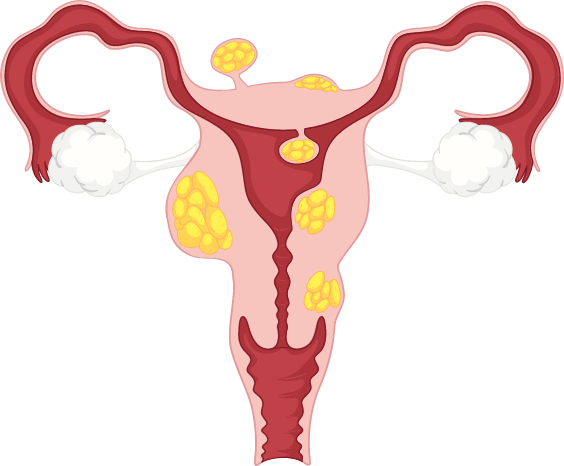
Types of uterine fibroids
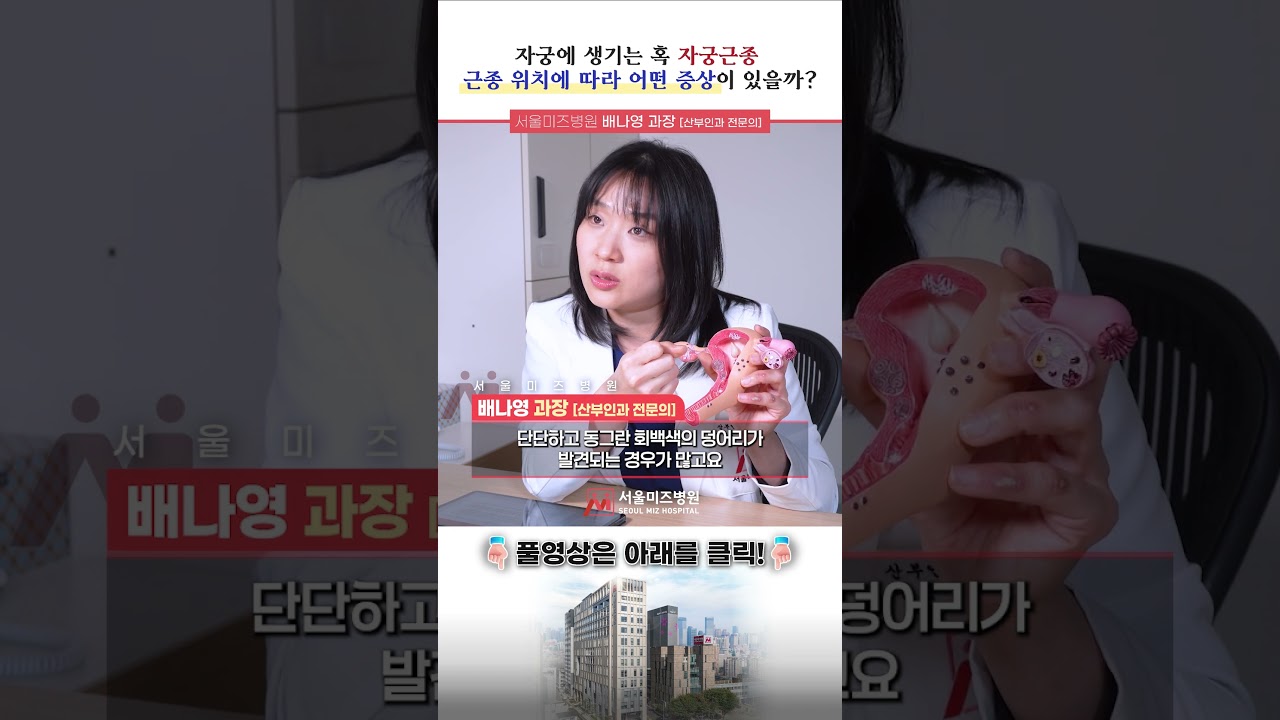
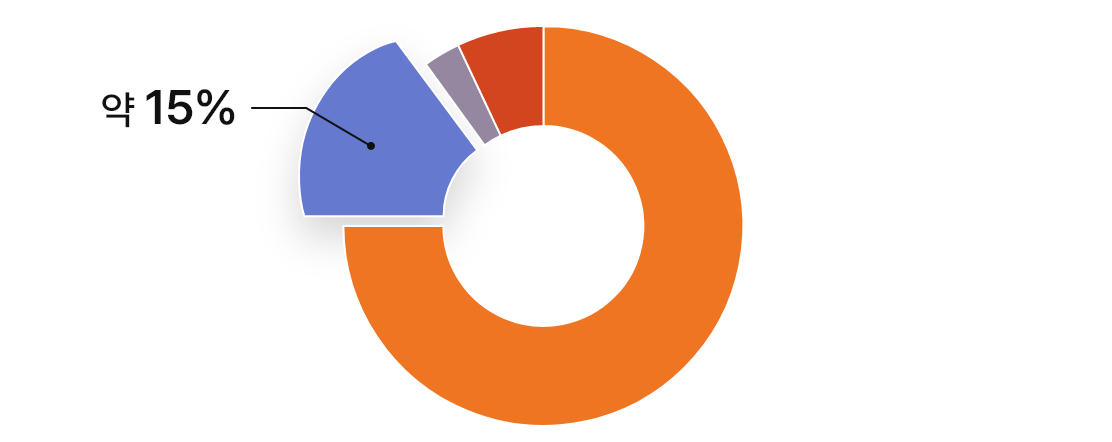
Uterine fibroids are classified into intramural fibroids, subserosal fibroids, submucosal fibroids, and cervical fibroids depending on their location.
They are often asymptomatic, and the cause is unclear, so regular checkups are necessary.
Intramuscular fibroids
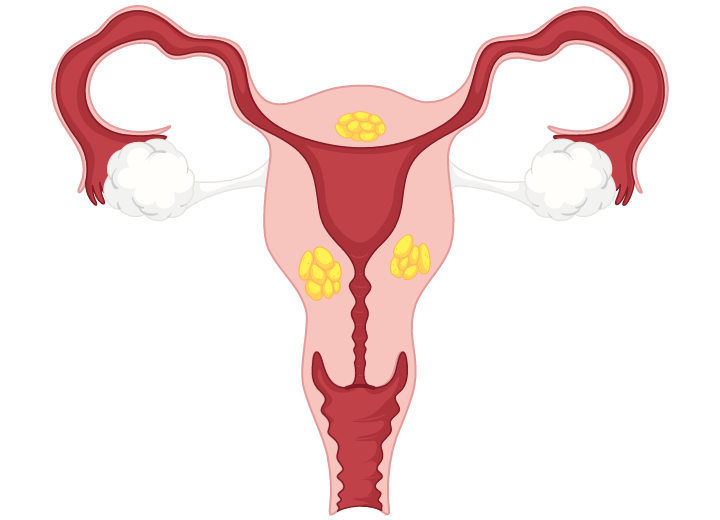
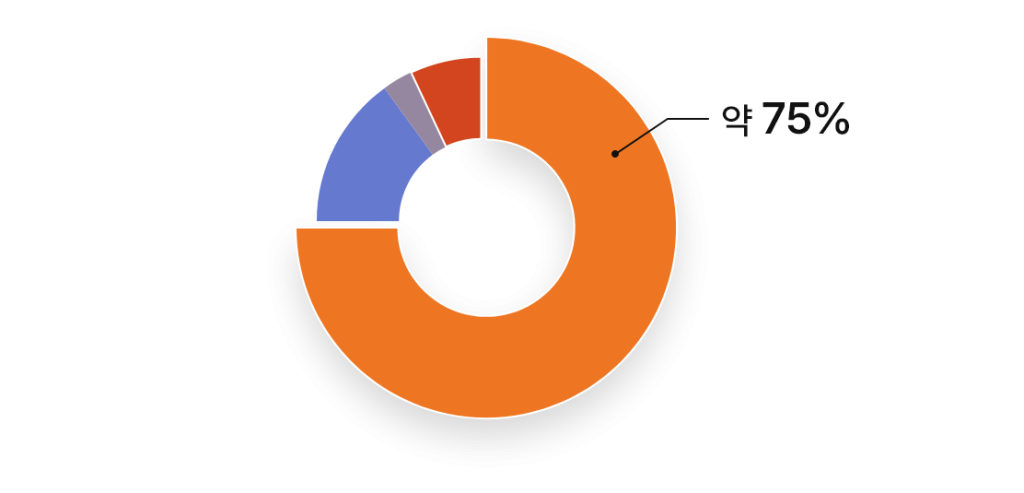
Usually occurs as multiple fibroids
No noticeable symptoms!
Increased menstrual flow / menstrual pain
Anemia
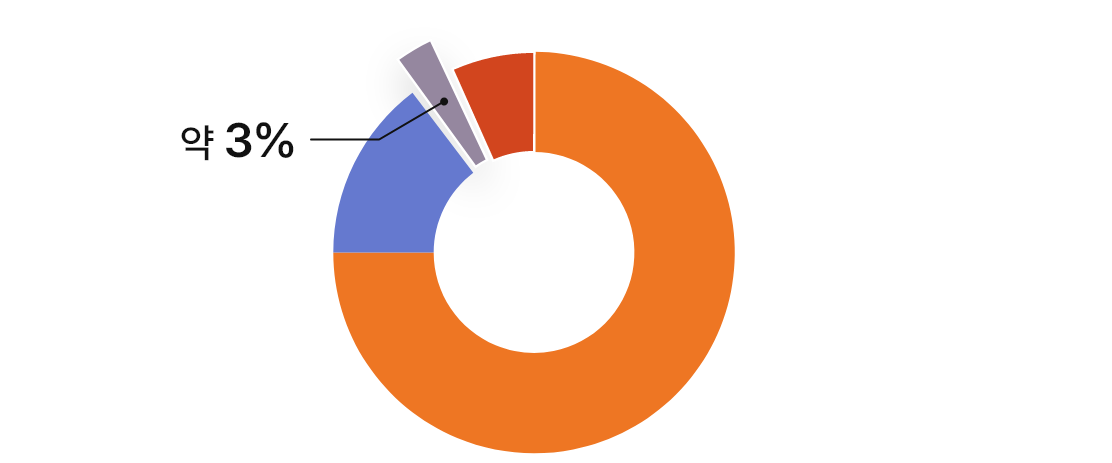
subserosal fibroids
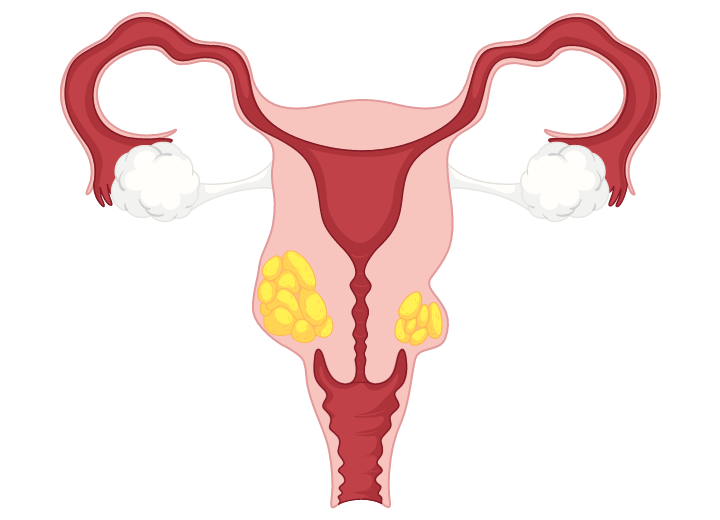
Location below the outer curtain
Symptoms such as urinary incontinence/constipation/urgency to urinate
Pressure on organs around the lower abdomen
submucosal fibroids
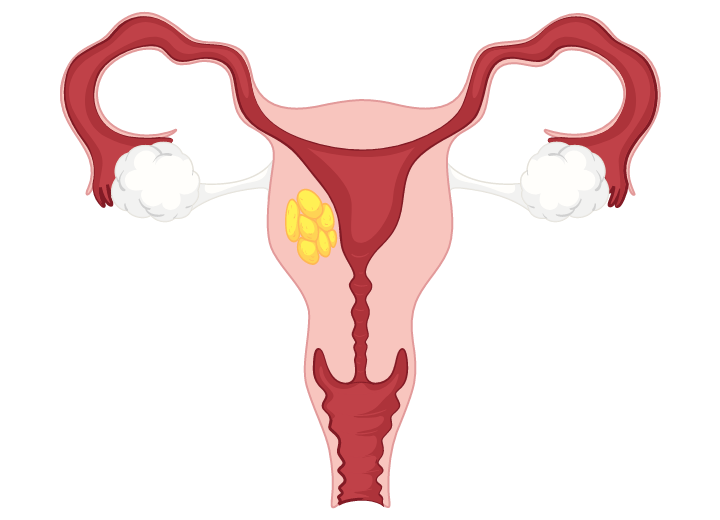
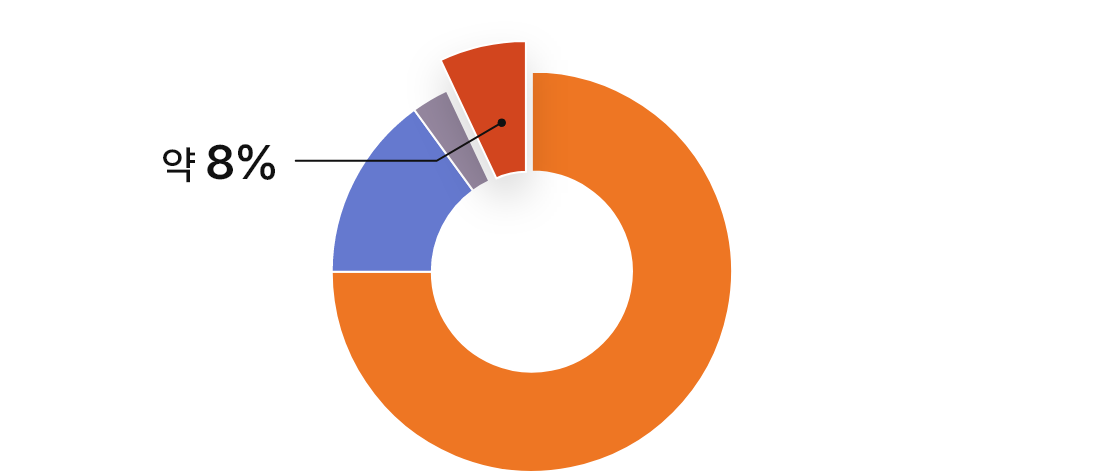
Heavy menstrual bleeding / Anemia
Fibroids that develop beneath the inner uterine lining
May cause bleeding and pain
Higher risk of infertility
Cervical fibroids
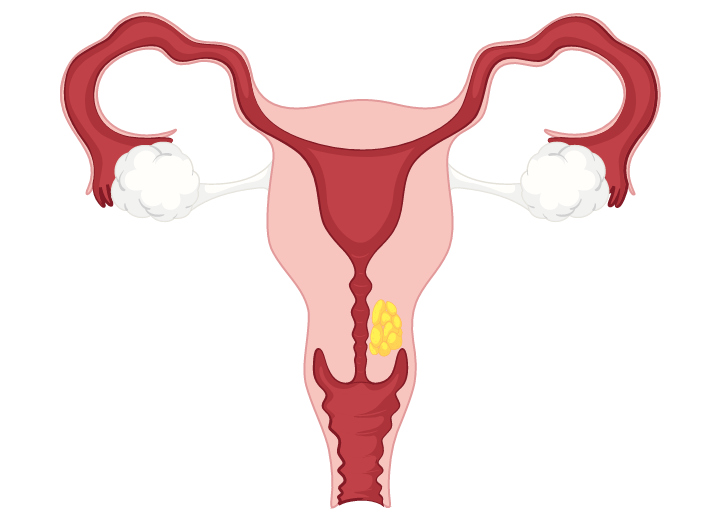
fibroids in the cervix
Menstrual discharge, impaired urination
Constipation, back pain Symptoms
Causes of Uterine Fibroids
The exact cause of uterine fibroids is still unclear.
Although the precise cause of uterine fibroids has not yet been identified, various studies have reported that they develop when cells that make up the smooth muscle of the uterus undergo abnormal proliferation, forming a uterine fibroid. In addition, having a family history of uterine fibroids is known to increase the risk of developing fibroids.

Female Hormones

Genetic Factors

Irregular Lifestyle Habits

Excessive Stress
Uterine Fibroids! Their Impact on Pregnancy and Childbirth
Because uterine fibroids often do not cause obvious symptoms in the early stages, they may go undetected and, if left untreated for a long time, can lead to serious complications.
|
Stage |
Main Impact |
Description |
|---|---|---|
|
Before Pregnancy |
Increased Risk of Infertility |
Regardless of their location, large uterine fibroids can affect fertility and may become a cause of infertility. |
|
During Pregnancy |
Early Miscarriage / Severe Pain During Pregnancy |
Hormonal changes during pregnancy can cause fibroids to change in size and potentially grow. Changes in the uterine environment may increase the risk of early miscarriage or interfere with fetal growth. |
|
During Delivery |
Severe Bleeding / Increased Risk of Difficult Labor |
Uterine contractions may be impaired during delivery, potentially leading to dangerous complications such as excessive bleeding. |
Early Screening Is “Always” the Priority
Uterine diseases are generally benign conditions and do not pose an immediate threat to life. However, if secondary degeneration or malignant transformation occurs, the uterus or lesion may suddenly increase in size.
If the condition is left untreated or diagnosis and treatment are delayed, it may affect uterine function and lead to other complications. Therefore, early detection and prompt treatment are essential.
accurate test
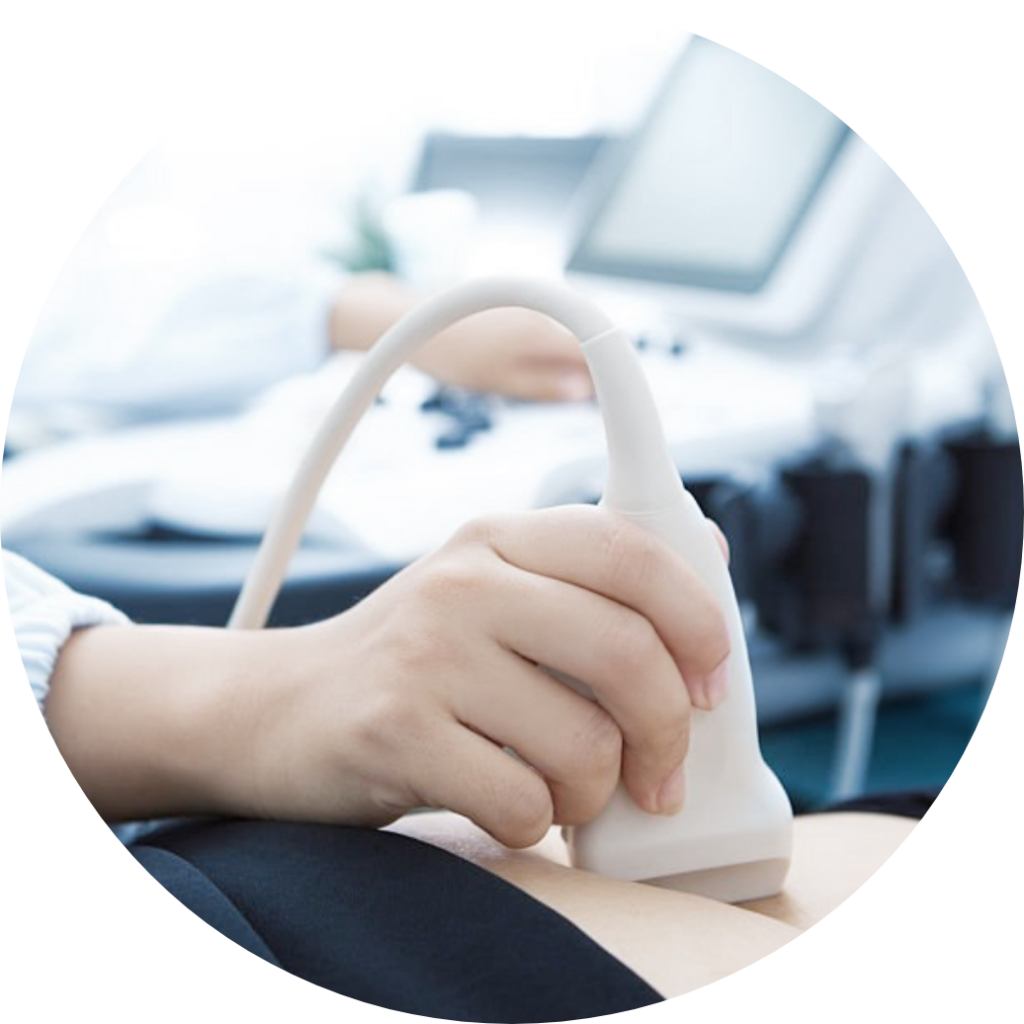
Prompt treatment
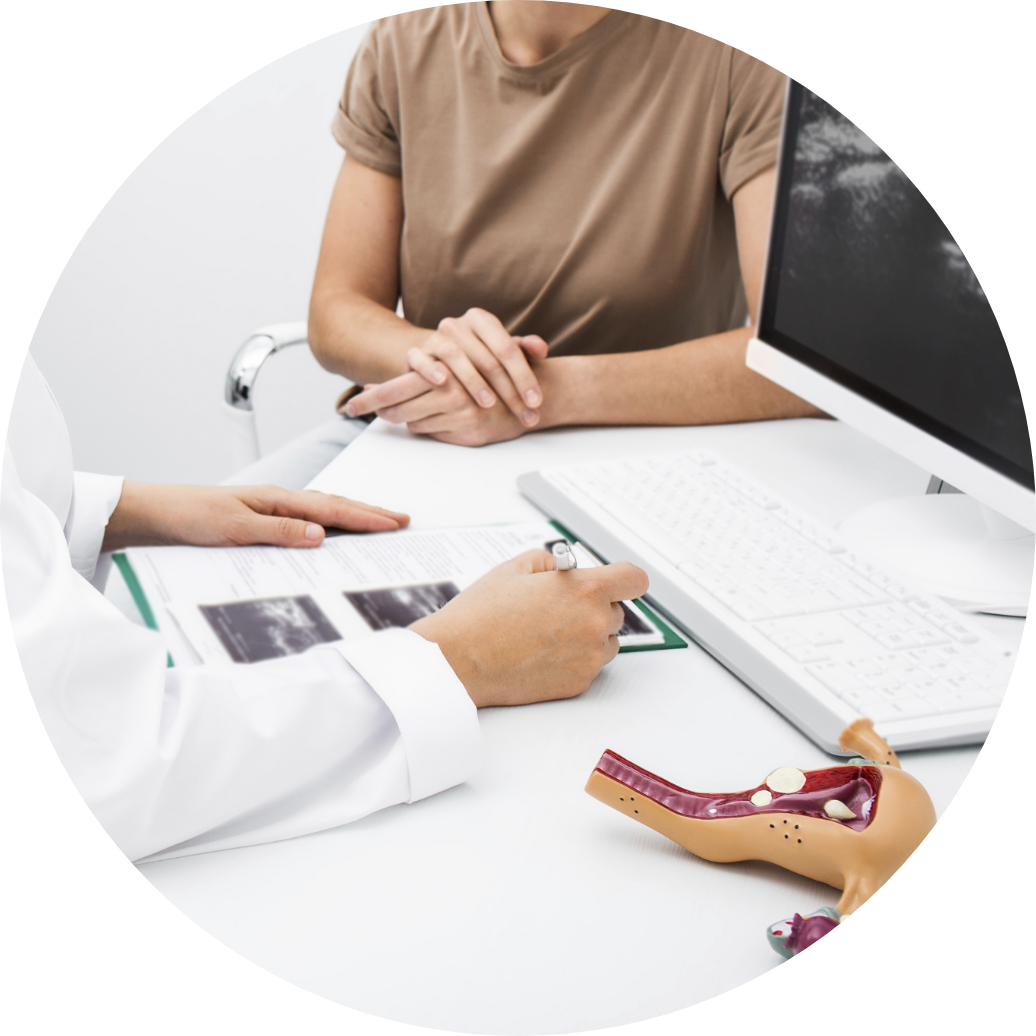
1:1 Personalized Non-Surgical Treatment
SEOUL MIZ Hospital carefully analyzes each patient’s condition and provides personalized treatment tailored to their individual needs, with a focus on uterus-preserving treatment.
Uterine Artery Embolization
Radiofrequency Ablation
Hysteroscopy
High-Intensity Focused Ultrasound (HIFU)
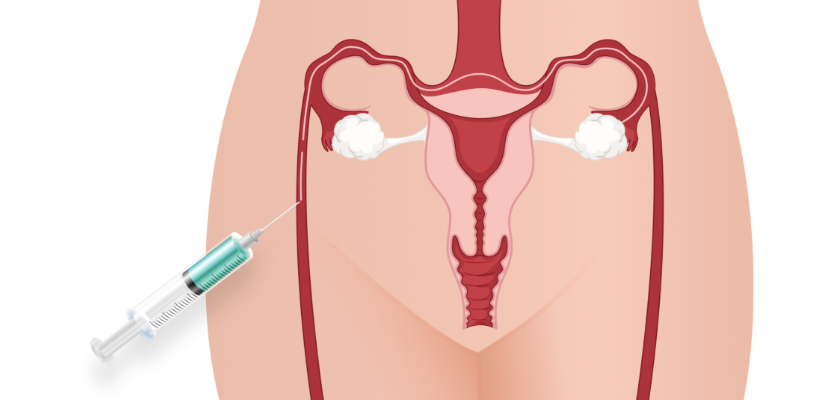
Uterine Artery Embolization
This minimally invasive treatment blocks the blood supply to uterine fibroids, cutting off their nutrient supply and inducing cell death within the fibroid.
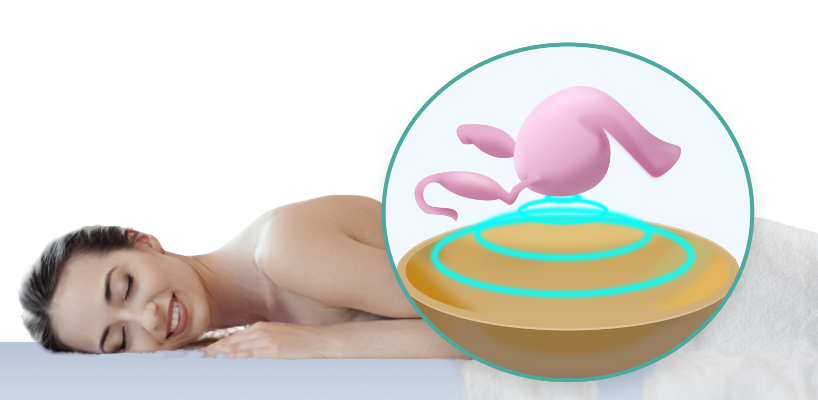
High-Intensity Focused Ultrasound (HIFU)
This non-invasive treatment concentrates ultrasound energy to selectively destroy uterine fibroids through thermal ablation, allowing treatment while minimizing damage to the uterus.
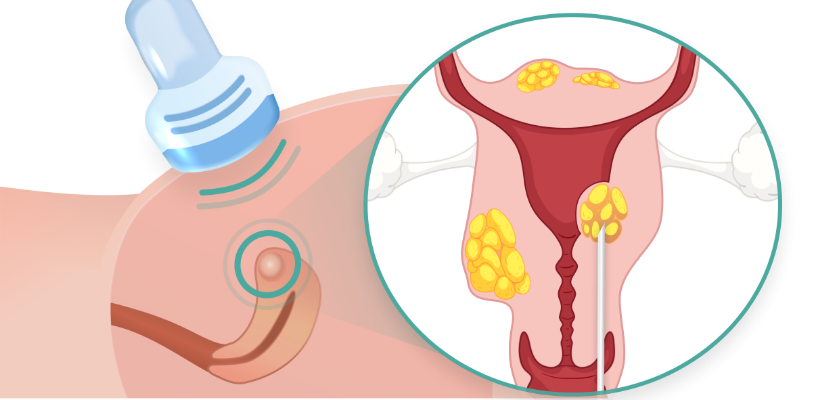
Radiofrequency Ablation
A thin electrode is inserted into the uterine fibroid, where radiofrequency heat is used to destroy both the fibroid tissue and its growth factors, making this treatment highly effective in relieving pain and preventing bleeding.
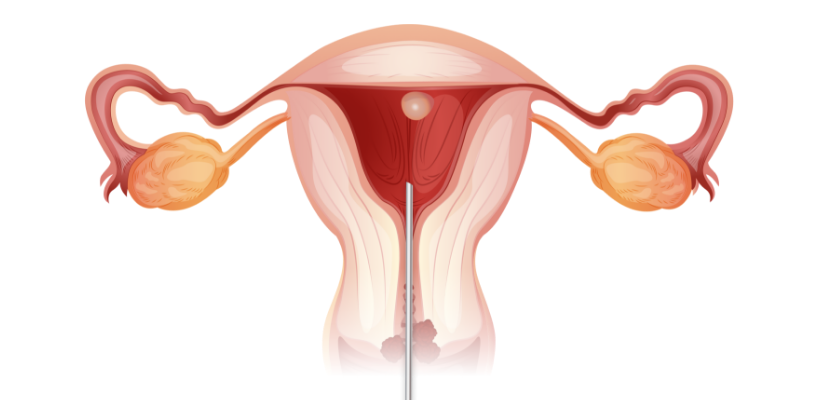
Hysteroscopy
A hysteroscope is inserted through the cervix into the uterus to directly examine the uterine cavity while simultaneously removing fibroids located within the cavity. Small submucosal fibroids located inside the uterus can be removed through operative hysteroscopy.
Surgical Treatment
The appropriate surgical treatment method is determined based on the size and location of the fibroid. After carefully analyzing the patient’s symptoms and condition, we provide personalized treatment with patient safety as the highest priority.
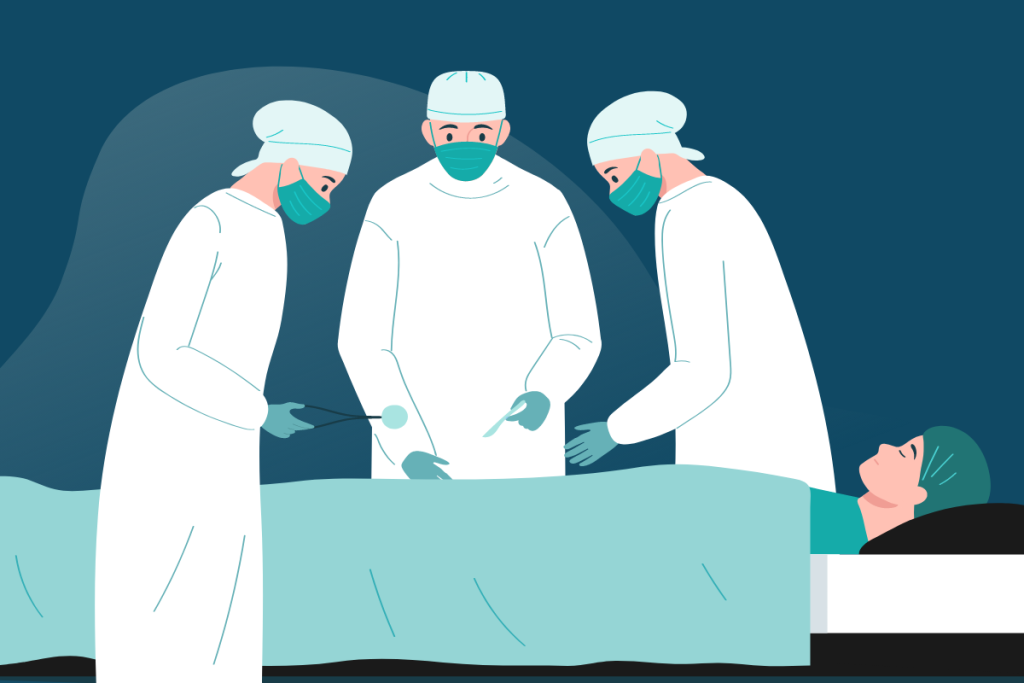
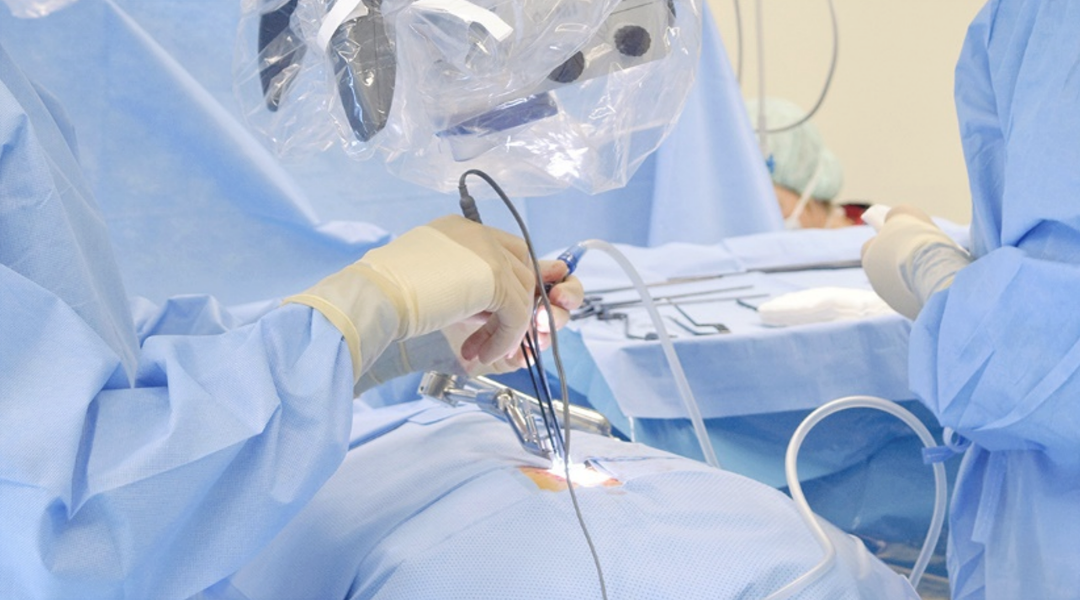
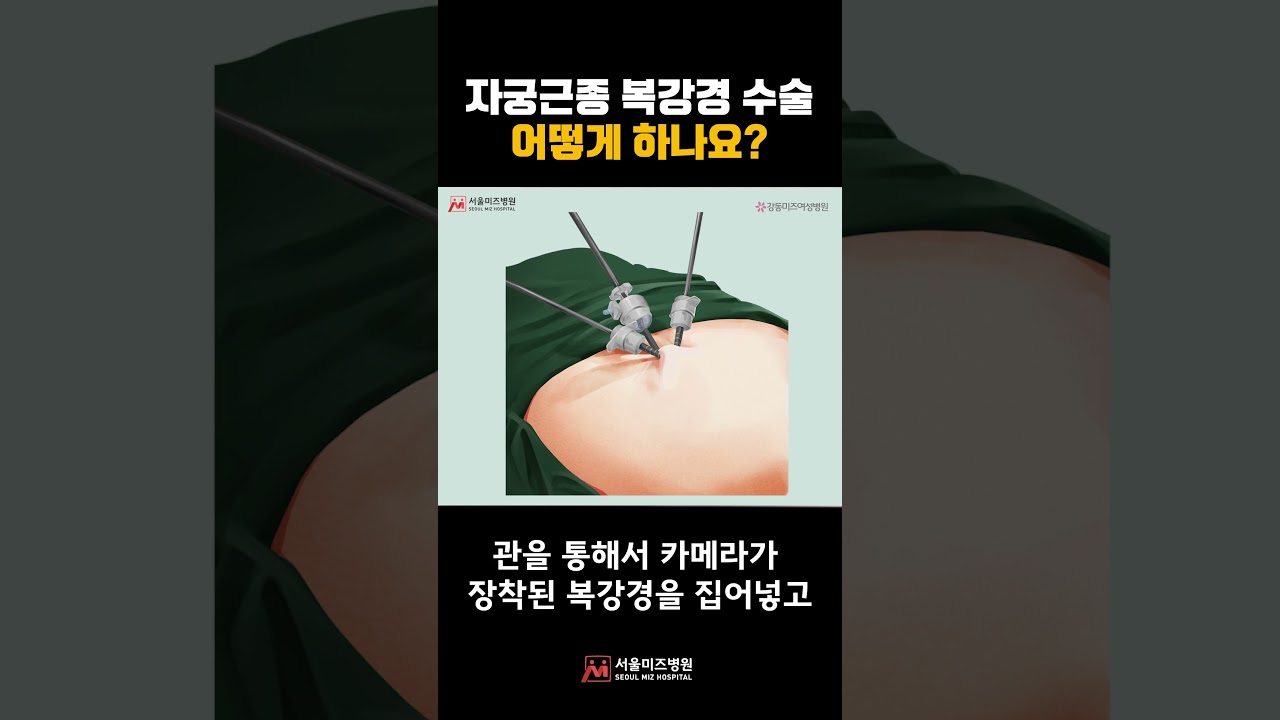
Laparoscopic Surgery
Unlike conventional open surgery, laparoscopic surgery is performed through 2–3 small incisions in the abdomen.
With minimal incisions of less than 0.5 cm, this technique reduces the risk of bleeding and infection during surgery. It also causes less postoperative pain and scarring, allowing patients to return to their daily activities more quickly.
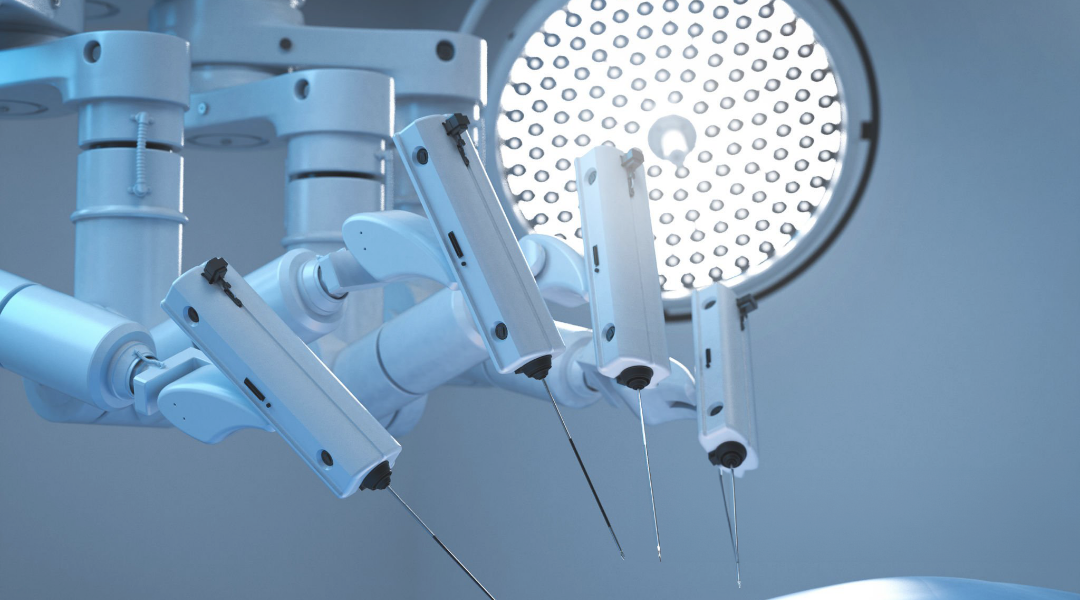
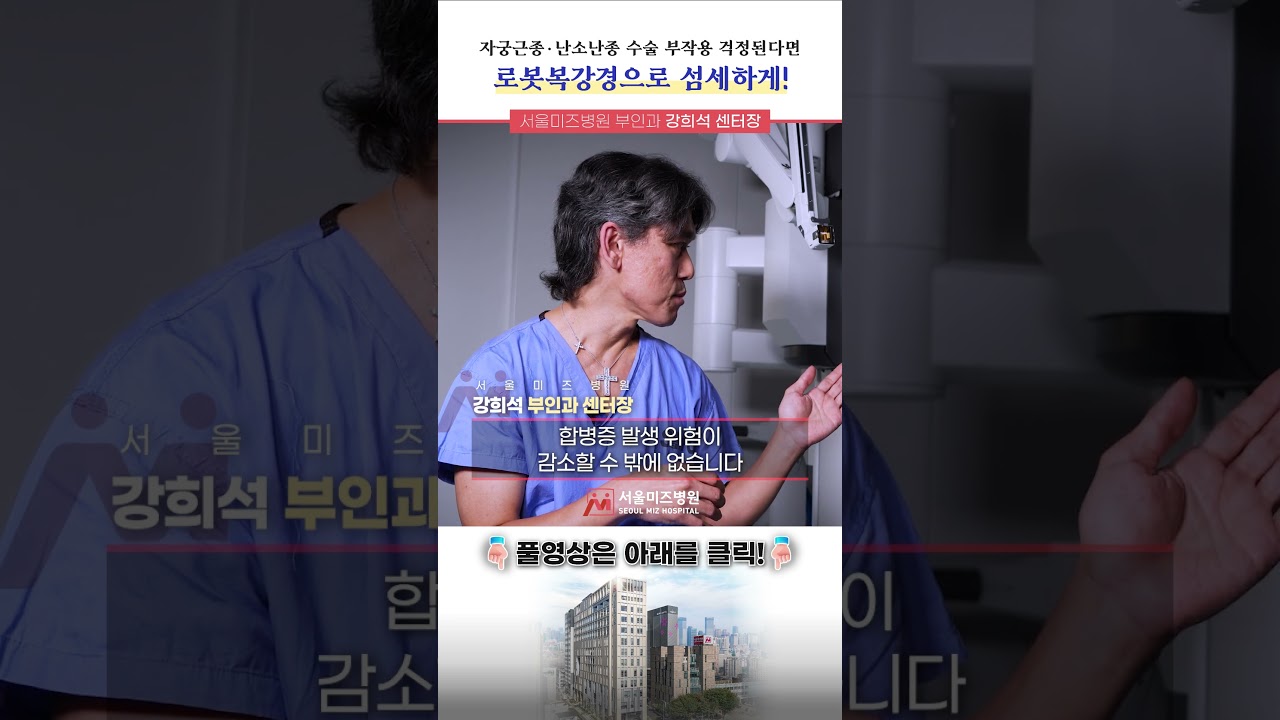
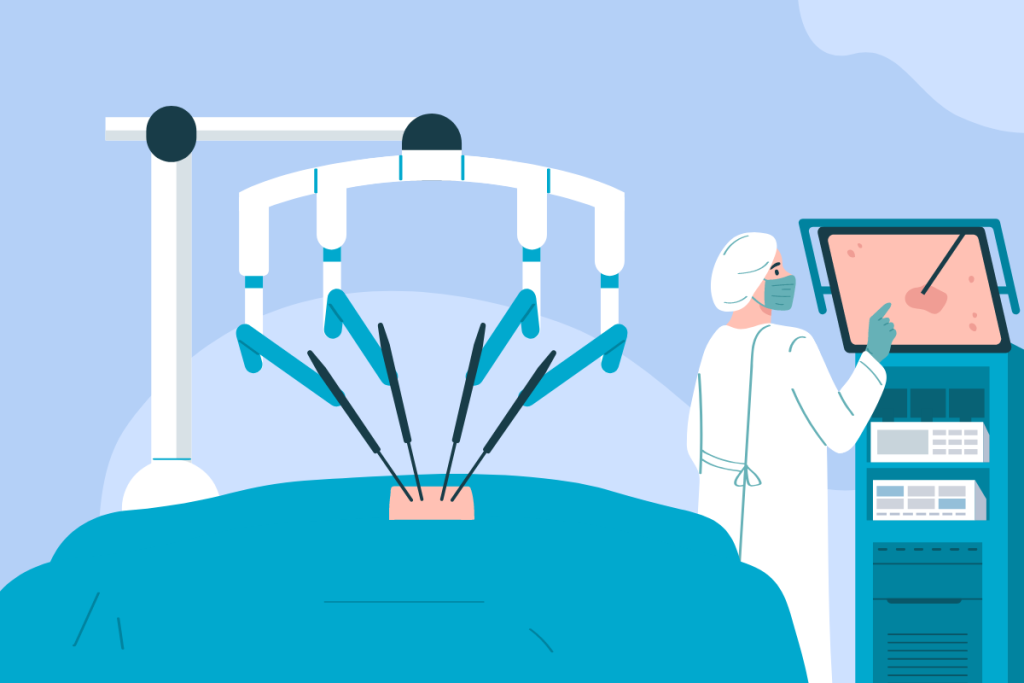
Da Vinci Robotic Surgery
Because the surgical field can be magnified using high-resolution 3D visualization, the surgical site can be examined with greater accuracy. In addition, the procedure is performed using robotic arms capable of highly precise, fine movements, enabling exceptionally delicate and precise surgery.
Uterine Fibroid & Ovarian Cyst Center
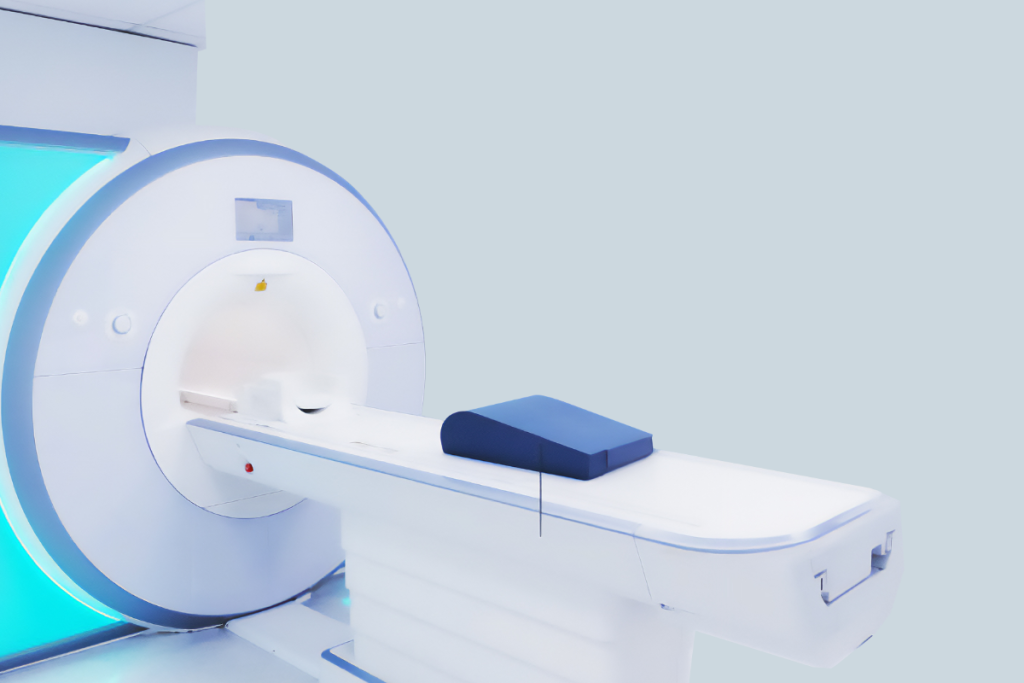
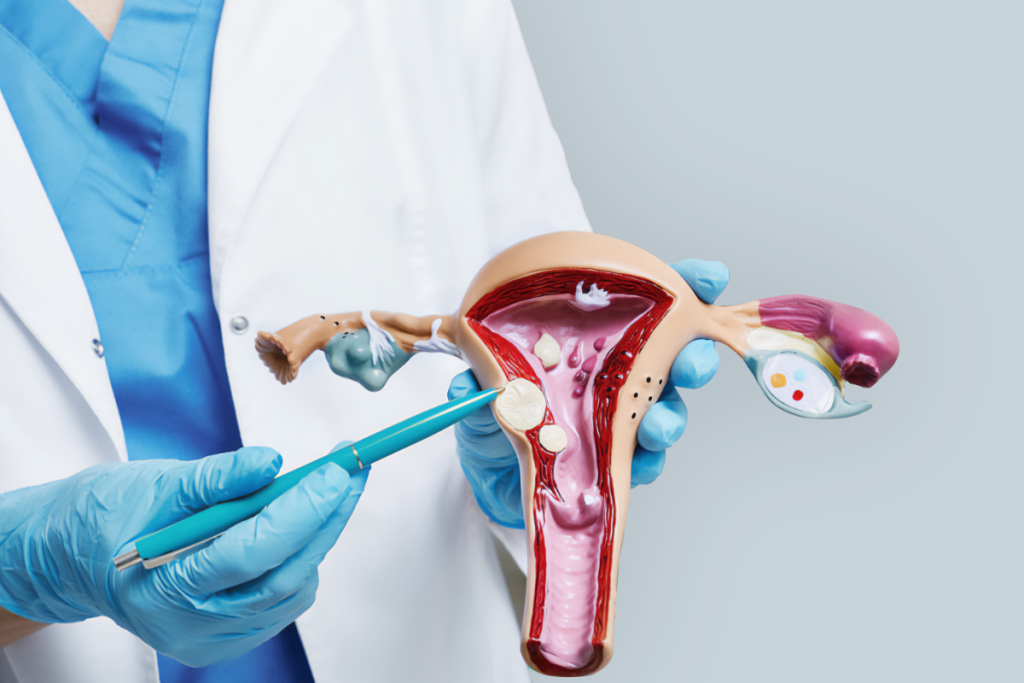
When you visit the Uterine Fibroid & Ovarian Cyst Center at SEOUL MIZ Hospital, we provide personalized treatment based on the type and location of the fibroid, following advanced precision diagnostics.
Laparoscopic Surgery
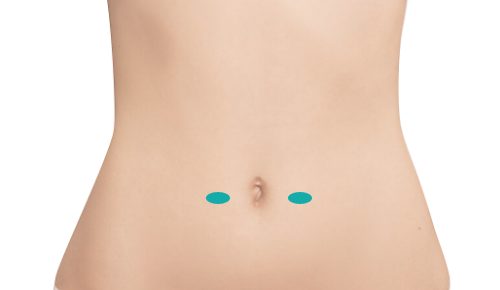
Laparoscopic surgery includes single-port laparoscopy, performed through a single incision, and conventional laparoscopic surgery, performed through 2–3 small incisions.
SEOUL MIZ Hospital provides personalized surgical treatment based on each patient’s condition.
|
Category |
Single-Port Laparoscopic Surgery |
Laparoscopic Surgery |
|---|---|---|
|
Surgical Site |
 |
 |
|
Number of Incisions |
1–2 |
2–3 |
|
Incision Length |
Approximately 2–2.5 cm |
Small incisions of less than 0.5 cm |
|
Scarring |
Almost invisible due to the incision being made inside the navel |
2–3 small scars |
|
Hospital Stay |
1–3 days |
1–3 days |
|
Pain |
Mild |
Mild |
|
Recovery Period |
5–10 days |
5–10 days |
|
Features |
Da Vinci Robotic Surgery
The precision of robotic surgery goes beyond the limitations of the human hand!
By enhancing surgical precision and reducing operating time, robotic surgery helps patients recover more quickly.

It is safe with automatic image stabilization.

Microscopic surgery and precise suturing are possible.

Movements that transcend the limitations of human range of motion are possible.

Based on 3D magnified images, more precise surgery is possible.
Seoul Miz Hospital aims for uterine and ovarian preservation treatment.
Physical Changes in Women Following ‘Uterine & Ovarian Removal’
When a hysterectomy and oophorectomy are performed due to uterine conditions such as uterine fibroids and adenomyosis, or because of malignant tumors, hormonal changes may cause women in their 30s and 40s to experience early menopause.
Amenorrhea & Premature Menopause
Absence of menstruation and inability to become pregnant
Complications
Concerns about complications such as
frequent urination, urinary difficulties, osteoporosis,
urinary incontinence, and cardiovascular disease
Hormonal Changes
Effects on ovarian function
and changes in hormone levels
Psychological Changes
Depression and anxiety
associated with the removal of the uterus
Hysterectomy and oophorectomy may help relieve symptoms associated with uterine and ovarian diseases. However, they can also lead to various postoperative complications and side effects, such as pain caused by postoperative adhesions, premature menopause, a sense of psychological loss, and physical fatigue after surgery, which may negatively affect a woman’s quality of life.
Checkpoints When Choosing a Hospital for Uterine Disease Treatment
The appropriate treatment method should be determined according to the type, size, and location of the uterine disease.

Over 10,000 Treatment Cases of Uterine Fibroids & Ovarian Cysts

Minimal Scarring, Fast Recovery

Dedicated Medical Team & Collaborative Care System
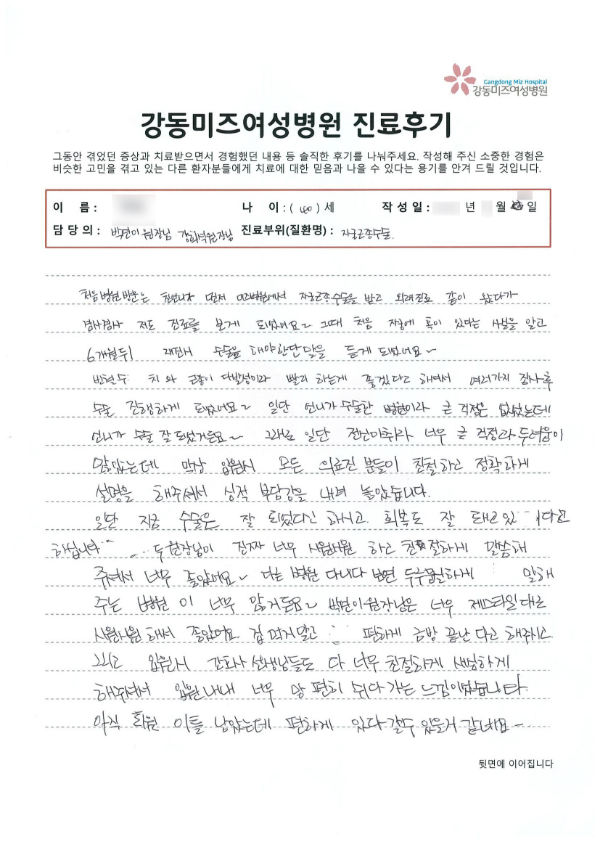
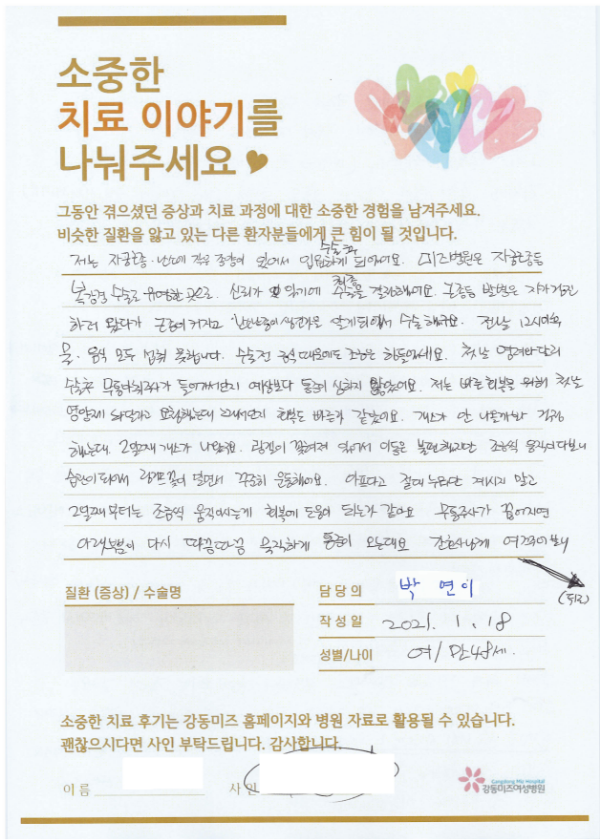
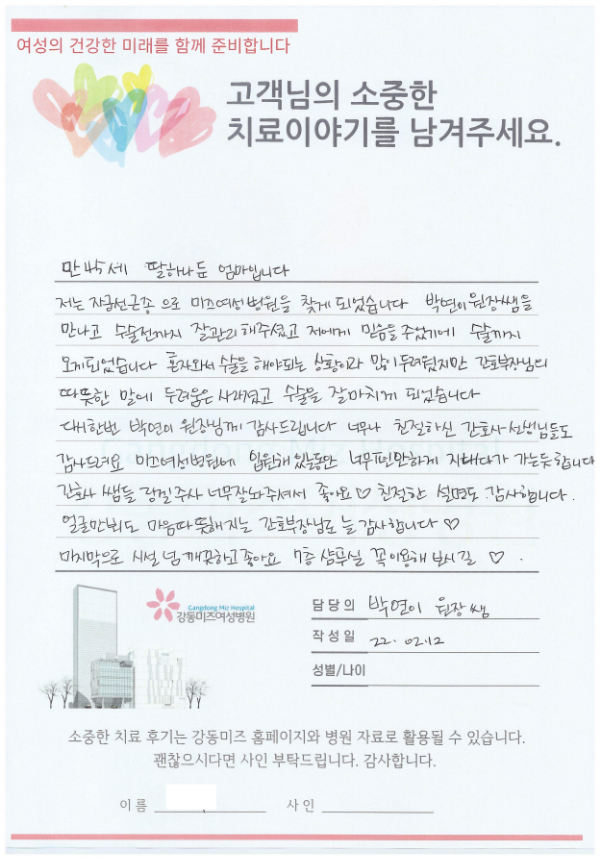
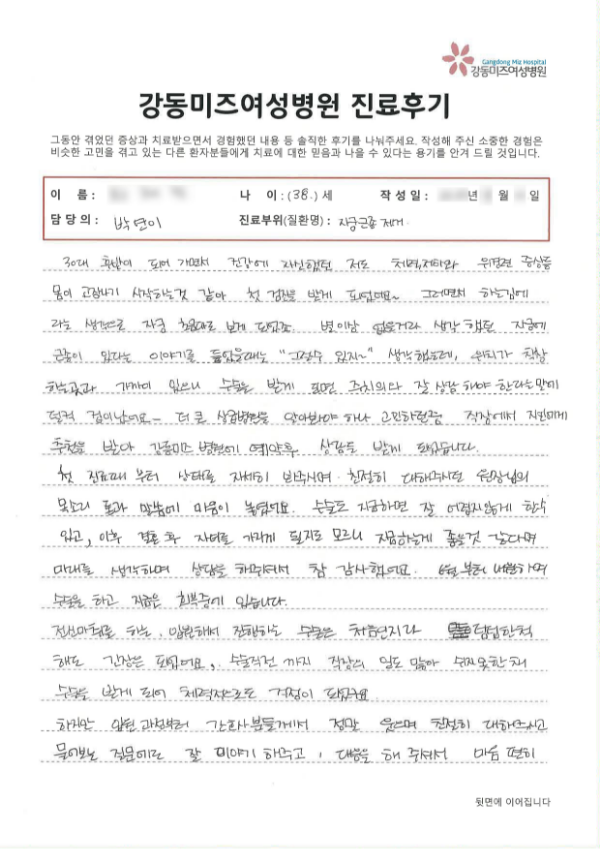
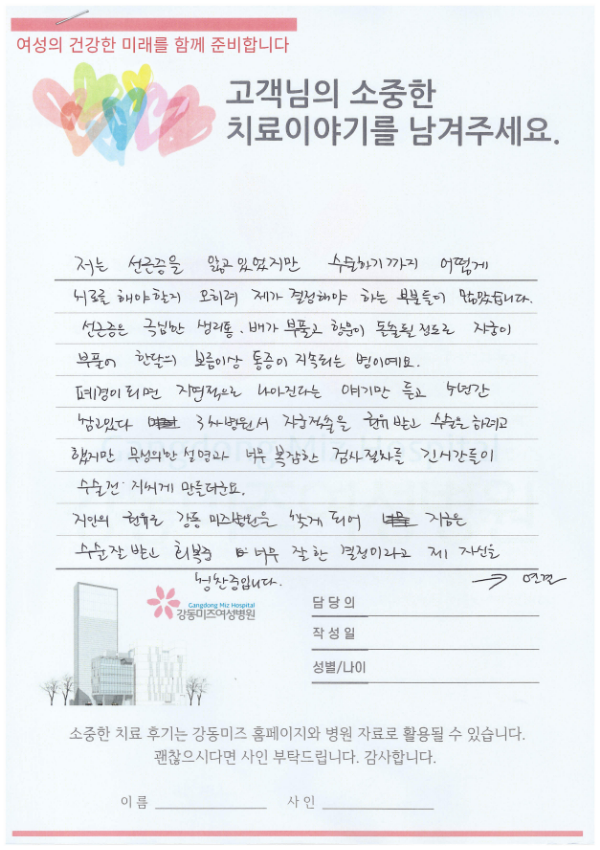
Uterine Fibroids · Ovarian Cyst Treatment Reviews

After undergoing two surgeries to remove a 15 cm uterine fibroid, I successfully gave birth to healthy twins.
I am grateful to Dr. Park Yeon-i because she was the first doctor I have ever met who truly cared about me as a patient.

I visited the hospital because I had a large uterine fibroid.
I was hesitant and very worried because I was young and afraid of having surgery. However, I underwent single-port laparoscopic surgery and am currently recovering.
Looking back, I feel that I could have had the surgery a little earlier, especially for the sake of achieving pregnancy and having a healthy delivery.