
Women’s Disease Clinic
“I have increased vaginal discharge, and the area feels itchy and irritated.”
“I have lower abdominal pain, and I still feel like my bladder hasn’t emptied completely after urinating.”
Leaving symptoms untreated for a long time, thinking they will improve on their own, can allow the condition to worsen.
If recurrent vaginitis is left untreated for a prolonged period, it may progress to chronic pelvic inflammatory disease (PID) that can be difficult to treat depending on the causative pathogen, potentially leading to infertility. It is advisable to seek prompt treatment from a gynecological specialist.
Vaginitis
Vaginitis is a common condition that can cause pain, burning, or itching inside the vagina, much like a common cold. If left untreated, it may lead to complications.
Bacterial Vaginosis Has Been Reported to Cause Complications
Excessive growth of bacteria or fungi inside the vagina can cause symptoms such as increased vaginal discharge, unpleasant odor, and itching. It is considered a very common condition, affecting as many as 8 out of 10 women in Korea.

Causes of Vaginitis
Bacterial Infection
Infection caused by external factors, such as sexual intercourse
Weakened Immune System
Reduced immunity caused by stress, alcohol consumption, and other factors
Tight Clothing or Underwear
Tight-fitting clothing, such as jeans, can restrict sweat evaporation and create a moist environment around the genital area
Types and Symptoms of Vaginitis
Vaginitis is broadly classified into infectious vaginitis and non-infectious vaginitis.
|
Bacterial Vaginosis |
Candidal Vaginitis |
Trichomoniasis |
Atrophic Vaginitis |
|
|---|---|---|---|---|
|
Cause |
||||
|
Symptoms |
Prevention of vaginitis
01
Get enough sleep to help maintain a healthy immune system.
02
Maintain your health through regular exercise.
03
Whenever possible, wear cotton underwear.
04
Avoid wearing tight-fitting clothing, such as skinny jeans and leggings.
05
Avoid washing inside the vagina and learn the proper way to clean the genital area.
06
Avoid excessive alcohol consumption and smoking.
07
After using the toilet, wipe from front to back.
Pelvic Inflammatory Disease
If treatment for pelvic inflammatory disease is delayed, the risk of infertility may increase.

In many cases, pelvic inflammatory disease is caused by sexually transmitted pathogens such as Chlamydia and Neisseria gonorrhoeae.
When pelvic inflammatory disease is severe or left untreated, it can cause structural changes such as fallopian tube blockage and adhesions involving the peritoneum and pelvic organs, which may ultimately lead to infertility.
Symptoms of Pelvic Inflammatory Disease
Prevention of pelvic inflammatory disease

Healthy Sexual Activity with One Partner

Condom Use

Healthy Urination Habits
Regular Gynecological Checkups
Even if symptoms improve, you should not arbitrarily skip doses or stop taking your medication. Acute pelvic inflammatory disease can leave complications such as fallopian tube adhesions. If the fallopian tubes or ovaries are damaged, it can lead to infertility and, even if pregnancy occurs, increase the risk of ectopic pregnancy to 5–20%.
Cystitis
Cystitis occurs when bacteria enter the bladder through the urethra, causing frequent urination and pain each time you urinate.

The causes of cystitis include infection and hormonal deficiency, while acute cystitis is most commonly caused by bacteria.
The urine and bladder should normally be free of bacteria. However, when bacteria enter the urine or bladder for various reasons, inflammation can develop in the bladder, resulting in cystitis.
Symptoms of Cystitis
Cystitis Prevention
01
Make sure to drink plenty of fluids.
02
Taking a shower is recommended instead of a sitz bath.
03
Develop a habit of not holding in your urine.
04
Avoid irritating beverages such as coffee and cola.
05
After using the toilet, wipe from front to back to help prevent the spread of bacteria.
Cystitis is a condition that occurs more frequently in women than in men. In cases of uncomplicated cystitis, symptoms can improve quickly within 3–7 days with an accurate diagnosis by a specialist and appropriate treatment
Women’s Disease Clinic
The Women’s Disease Clinic at SEOUL MIZ PROMISE IVF is different.
Experienced Medical Care Backed by 20 Years of Clinical Experience
With extensive expertise accumulated through years of clinical experience, you can receive safe and professional care from our highly experienced medical team.
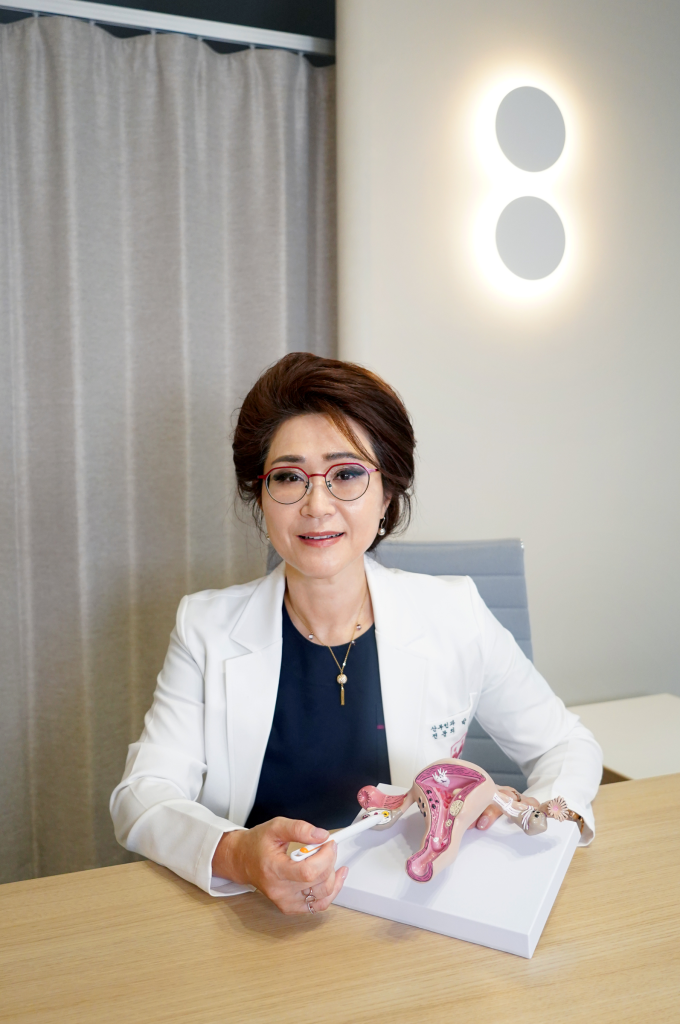
Dr. Park Yeon-i, Representative Director & OB-GYN Specialist

A Systematic Care System from Consultation to Surgery and Postoperative Care
From the initial consultation through surgery and follow-up care, we have established an effective and systematic care system that allows patients to feel reassured and supported throughout the entire treatment process.
Protecting Each Patient’s Privacy
All of our staff are committed to doing their utmost to protect the privacy of every patient who visits SEOUL MIZ PROMISE IVF.