
artificial insemination
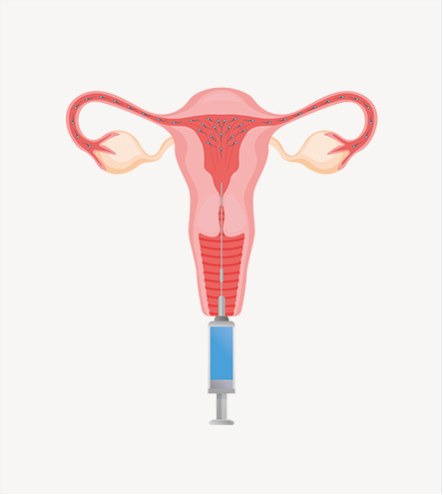
What Is Intrauterine Insemination?
Intrauterine Insemination (IUI), also known as artificial insemination, is a fertility treatment in which sperm is directly introduced into the uterus around the time of ovulation to promote pregnancy. It can be an effective option for couples who have difficulty conceiving naturally and is often considered a first-line treatment for infertility caused by various factors.
The key purpose of IUI is to help sperm reach the egg more easily, thereby increasing the chance of fertilization. Although IUI generally has a lower pregnancy rate than in vitro fertilization (IVF), it has several advantages, including no need for anesthesia, a relatively simple ovulation induction process, a shorter and simpler procedure, and less discomfort.
Candidates for Treatment
- Unexplained infertility
- Endometriosis
- Sperm count and motility close to the normal range
- Ovulatory disorders
- Erectile dysfunction or ejaculation disorders
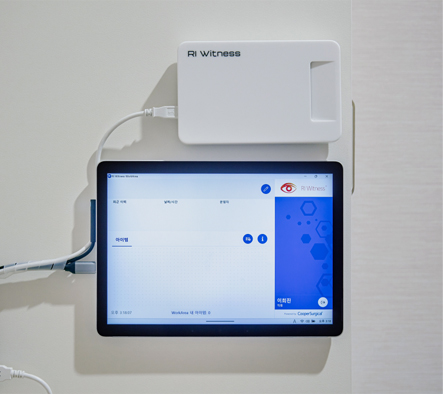
Embryo Misidentification Prevention System (RI Witness System)
The RI Witness advanced security system is used to prevent misidentification during fertility treatments. On the day of an artificial insemination procedure, patients must bring their own RI Witness Card to verify their identity before the procedure.
- Identity verification using the authentication system before the procedure.
- Verification of the patient’s (spouse’s) sperm match before proceeding with the procedure.
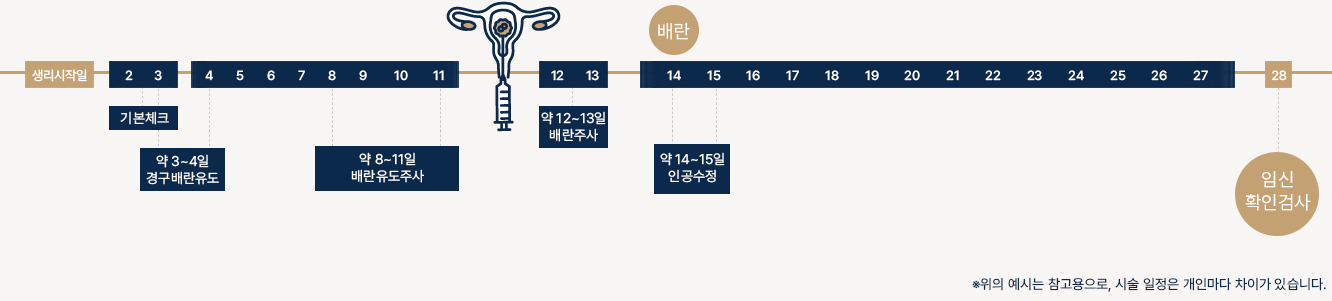
Artificial insemination procedure
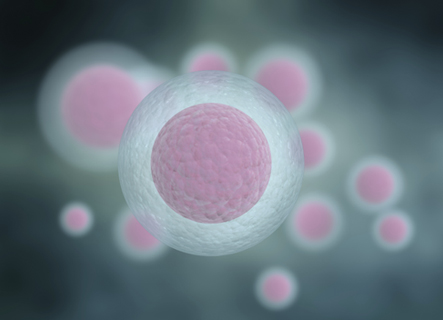
1 Ovulation Induction
Optimizing the Timing of Ovulation
The IUI procedure begins with ovulation induction. To achieve effective ovarian stimulation, oral medications or injections are prescribed starting from the 2nd–3rd day of menstruation. In some cases, IUI may be performed during a natural ovulation cycle without medication. However, when ovulation induction is used, a higher pregnancy rate may be expected compared with the natural-cycle method.
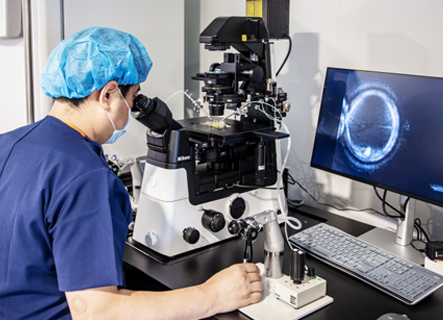
2 Sperm Collection & Processing
A Process to Increase the Chance of Pregnancy
On the day of the IUI procedure, the husband must visit the hospital 2 hours before the procedure to provide a semen sample. The collected semen undergoes semen analysis to re-evaluate the sperm count, motility, morphology, and other parameters. The sample is then processed to select sperm with good motility and normal morphology through a sperm preparation and activation process. This is a crucial step in increasing the success rate of IUI.
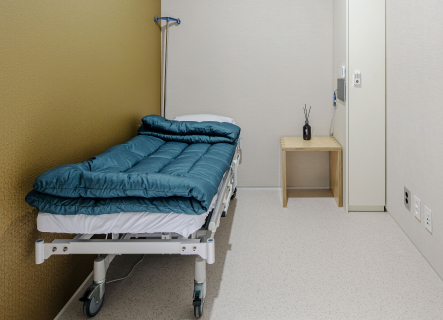
3 Intrauterine Insemination (IUI) Procedure
A Safe and Quick Procedure
Once the ovulation date is determined through an ultrasound examination, semen is collected from the husband by masturbation on the day of ovulation. The semen undergoes centrifugation and special processing for approximately 2 hours, after which only sperm with good motility are selected and directly introduced into the woman’s uterus through a thin catheter.
The procedure is very simple and generally painless. After the procedure, the patient rests lying down for approximately 10–15 minutes before returning home. Depending on the patient’s condition, progesterone may also be administered after the procedure to provide luteal phase support and help promote pregnancy.