
Culture technology and the latest assisted reproduction technology
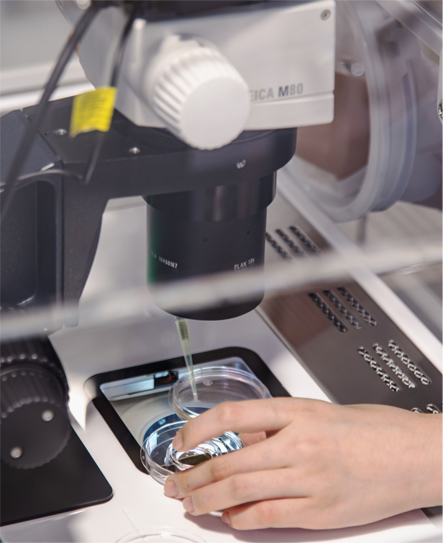
Embryo Culture Techniques & Advanced Assisted Reproductive Technologies
The embryo culture techniques and advanced assisted reproductive technologies at our fertility center are key to improving and maintaining the success rates of infertility treatment.
With state-of-the-art culture systems, customized management according to each stage of embryo development, advanced sperm selection and processing techniques, and a range of assisted reproductive technologies, SEOUL MIZ PROMISE IVF Fertility Center is helping infertile couples turn their dream of pregnancy into reality.
If you are struggling with infertility, visit SEOUL MIZ PROMISE IVF Fertility Center, equipped with experienced medical professionals and advanced technologies, for professional consultation and personalized treatment.
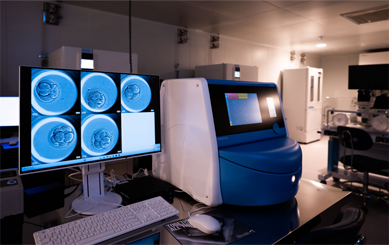
Real-Time Embryo Monitoring System (Time-Lapse System)
Through the real-time embryo monitoring system, the developmental patterns and condition of embryos can be observed in high resolution in real time. AI-based, non-invasive analysis also enables the selection of the highest-quality embryos.
Vitrification
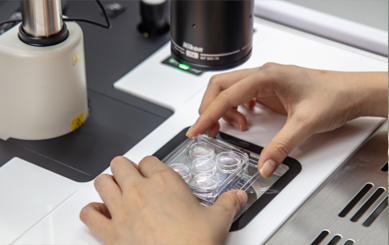
Vitrification is an advanced cryopreservation technique that uses liquid nitrogen to rapidly cool and preserve reproductive cells, such as eggs, sperm, and embryos, at ultra-low temperatures.
Various Micromanipulation Techniques (PICSI, IMSI, Polscope ICSI)
Techniques such as Physiological Intracytoplasmic Sperm Injection (PICSI), which selects highly mature sperm for fertilization; Intracytoplasmic Morphologically Selected Sperm Injection (IMSI), which selects sperm based on morphology; and Polscope ICSI, which enables sperm injection while visualizing the oocyte spindle to minimize the risk of spindle damage, may help improve fertilization rates and promote the development of healthy embryos.
Preimplantation Genetic Testing (PGT)
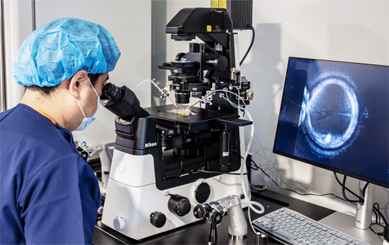
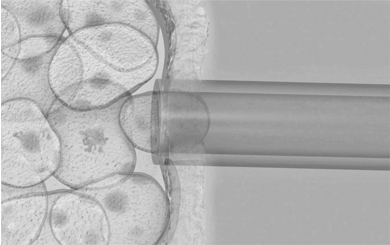
Preimplantation Genetic Testing is a technique performed during the in vitro fertilization (IVF) process to identify genetic abnormalities in embryos before they are transferred into the uterus, including numerical or structural chromosomal abnormalities and specific genetic disorders. This helps support a healthy pregnancy and childbirth.
Endometrial Receptivity Analysis (ERA)
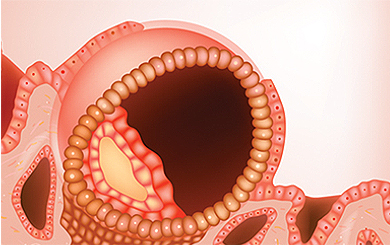
This personalized test analyzes RNA from endometrial tissue to determine whether the endometrium is receptive to embryo implantation and identifies the optimal timing for embryo transfer.
In Vitro Maturation (IVM)
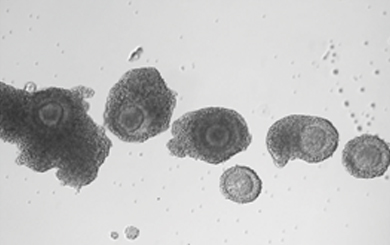
This technique involves retrieving immature eggs with minimal or no ovarian stimulation injections, maturing them in vitro, and then fertilizing them. This approach can help reduce the risk of ovarian hyperstimulation syndrome (OHSS).