
Polycystic ovary syndrome
What Is Polycystic Ovary Syndrome?
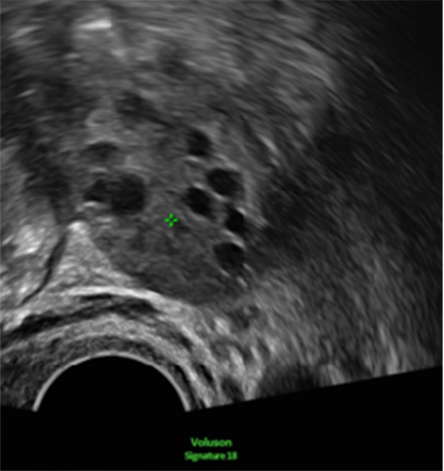
Polycystic Ovary Syndrome (PCOS) is a common condition affecting approximately 5–18% of women and is the most common cause of irregular menstruation and amenorrhea. Multiple small follicles develop simultaneously in the ovaries, but none of them mature properly or ovulate, which can lead to irregular menstruation, hirsutism, obesity, and infertility.
A common endocrine disorder affecting approximately 5–10% of women of reproductive age!
If you have been diagnosed with Polycystic Ovary Syndrome, it is important to receive appropriate medical evaluation and treatment.
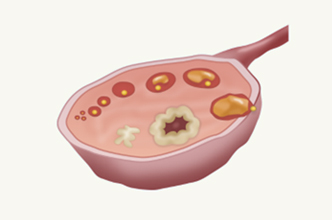
Normal Ovary 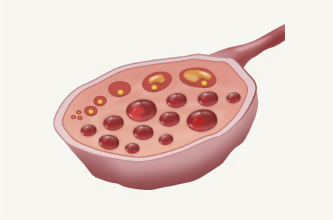
Polycystic Ovary
Multiple small follicles develop simultaneously, but none of them mature properly or ovulate, which can lead to irregular menstruation, hirsutism, obesity, and infertility.
A Common Endocrine Disorder Affecting Approximately 5–10% of Women of Reproductive Age
If you have been diagnosed with Polycystic Ovary Syndrome, it is important to receive appropriate medical evaluation and treatment. If amenorrhea associated with Polycystic Ovary Syndrome is left untreated, the risk of endometrial hyperplasia and endometrial cancer may increase. PCOS is also strongly associated with obesity, diabetes, and cardiovascular disease, and may increase the risk of metabolic syndrome. Therefore, regular monitoring and management are important.

Causes
During each menstrual cycle, women typically develop one dominant follicle, which grows to approximately 2 cm before ovulation. If pregnancy does not occur, menstruation begins about two weeks later. In women with Polycystic Ovary Syndrome, 12 or more small follicles measuring 2–9 mm are generally observed in each ovary.
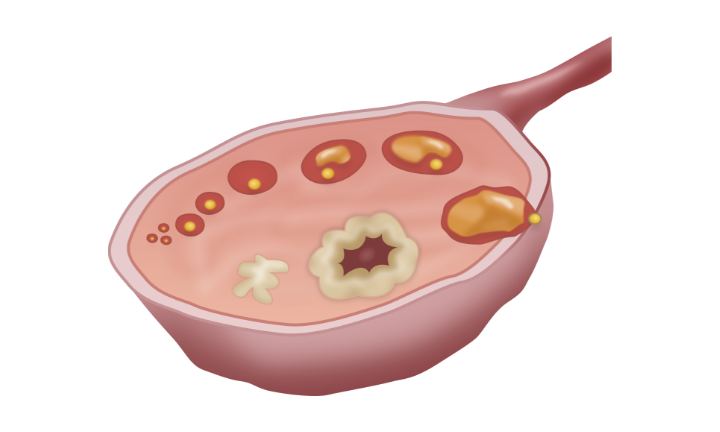
Normal Ovary 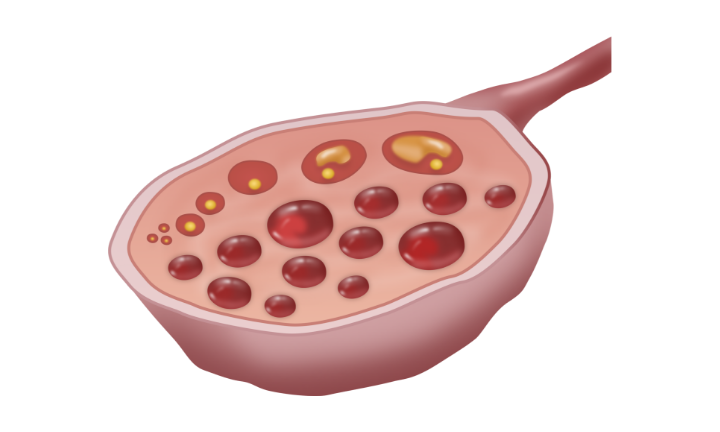
Polycystic Ovary
Several factors have been suggested as potential causes, including hormonal imbalances in the hypothalamic–pituitary–ovarian axis, insulin resistance, and excessive secretion of male hormones. However, the exact cause has not yet been clearly established, and research is ongoing.
Symptoms

Symptoms Associated with Ovulatory Disorders
Amenorrhea, uterine bleeding, irregular menstruation, and infertility.

Symptoms Associated with Excess Androgens
Hirsutism, acne, and hair loss.

Symptoms Associated with Metabolic Disorders
Type 2 diabetes, dyslipidemia, hypertension, endocrine and metabolic disorders, and obesity.
Treatment goals
Treatment is tailored to each patient’s symptoms and individual goals, with the following as the ultimate objectives: