
Amenorrhea and menstrual irregularities
What Are Amenorrhea and Irregular Menstruation?
Women of reproductive age may experience various menstrual disorders, including menstrual cramps, irregular menstruation, and premenstrual syndrome (PMS).
Menstrual cramps are classified into primary dysmenorrhea, which is caused by hormonal abnormalities, and secondary dysmenorrhea, which is caused by an underlying medical condition. An accurate diagnosis is therefore necessary.
Menstrual cramps themselves can be a warning sign that there may be an underlying problem with the uterus or the body.
It is essential to identify the underlying cause of menstrual cramps and heavy menstrual bleeding and provide appropriate treatment. Medical evaluation and treatment are necessary because, beyond simple hormonal causes, serious conditions such as uterine fibroids or malignant tumors may also be present.

Menstrual Cramps

Irregular Menstruation

Premenstrual Syndrome (PMS)

Premature Menopause
“Every time my period comes, my menstrual cramps are so severe that it feels like my lower back is breaking.”
“I’m very worried that having an irregular menstrual cycle will make it difficult for me to become pregnant.”
Women of reproductive age may experience menstrual disorders such as menstrual cramps, irregular menstruation, and premenstrual syndrome.
Menstrual cramps are classified into primary dysmenorrhea, which is caused by hormonal abnormalities, and secondary dysmenorrhea, which is caused by an underlying medical condition. An accurate diagnosis is therefore necessary.

Types of menstrual disorders

Menstrual Cramps

Irregular Menstruation

Premenstrual Syndrome (PMS)

Premature Menopause
Menstrual Cramps
Menstrual cramps refer to pain in the lower abdomen and lower back that occurs during menstruation.
Menstrual cramps affect approximately half of women of reproductive age, and many people tend to regard them as a normal part of menstruation. However, taking menstrual cramps lightly may result in an underlying serious condition going undiagnosed and becoming more severe.
In Cases of Primary Dysmenorrhea
- Pain usually begins several hours before menstruation or shortly after the start of menstruation and lasts for 2–3 days.
- It occurs due to uterine contractions and reduced blood flow caused by hormonal changes during menstruation. In severe cases, it may also be accompanied by vomiting and diarrhea.
- Taking pain relievers before the onset of pain or taking oral contraceptives regularly during the menstrual cycle can also be effective in relieving pain.
In Cases of Secondary Dysmenorrhea
- Unlike primary dysmenorrhea, the pain may begin before menstruation and continue for several days even after the period has ended.
- Menstrual pain caused by conditions such as endometriosis, adenomyosis, or an intrauterine device (IUD) may require ultrasound examination and laparoscopy, along with treatment to address the underlying cause.
It is essential to identify the underlying causes of menstrual cramps and heavy menstrual bleeding and provide appropriate treatment. Since serious conditions such as uterine fibroids or malignant tumors may be present beyond simple hormonal causes, regular checkups are recommended to maintain uterine health.
Irregular Menstruation
A healthy woman’s normal menstrual cycle is approximately 28 days, and menstruation typically lasts 2–7 days. Irregular menstruation generally refers to menstrual cycles or periods that do not follow this regular pattern.
Irregular menstruation can be influenced by various factors, including age, hormonal changes, and endocrine disorders, so it should not be overlooked.
In rare cases, changes in menstrual patterns may also occur due to tumors or masses in the uterus or ovaries, or lesions of the endometrium. Therefore, if irregular menstruation persists, diagnosis and appropriate treatment through an ultrasound examination are necessary.
Premenstrual Syndrome (PMS)

To reduce the symptoms of Premenstrual Syndrome (PMS), it is recommended to avoid irritating foods, while regular exercise can help improve psychological symptoms.
Premenstrual Syndrome has often been regarded as a normal physiological process rather than a medical condition. However, if left untreated, it can affect daily life and interpersonal relationships. Therefore, it is important to actively manage and prevent Premenstrual Syndrome.
Premature Menopause
Menopause generally occurs around the age of 50, but when menopause occurs before the age of 40, it is referred to as premature menopause.
Hot Flashes
Insomnia
Heart Palpitations
Excessive Sweating, Mainly at Night
Depression and Other Nervous Symptoms
Menopause occurs when the production of female hormones by the body declines rapidly, resulting in various menopausal symptoms.
In general, once premature menopause occurs, ovarian function does not return. However, estrogen therapy may help some remaining follicles mature, potentially restoring ovarian function temporarily. Therefore, active treatment is necessary.
Women’s Disease Clinic
The Women’s Disease Clinic at SEOUL MIZ PROMISE IVF is different.
Experienced Medical Care Backed by 20 Years of Clinical Experience
With extensive expertise accumulated through years of clinical experience, you can receive safe and professional care from our highly experienced medical team.
Dr. Park Yeon-i, Representative Director & OB-GYN Specialist
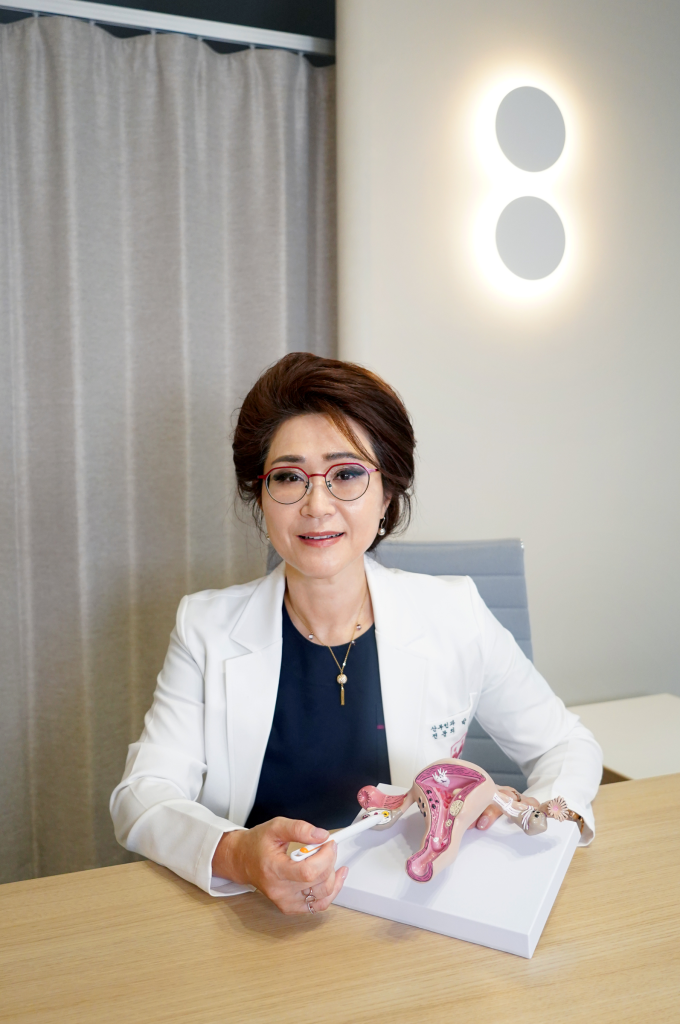

A Systematic Care System from Consultation to Surgery and Postoperative Care
From the initial consultation through surgery and follow-up care, we have established an effective and systematic care system that allows patients to feel reassured and supported throughout the entire treatment process.
Protecting Each Patient’s Privacy
All of our staff are committed to doing their utmost to protect the privacy of every patient who visits SEOUL MIZ PROMISE IVF.