
Fertility preservation
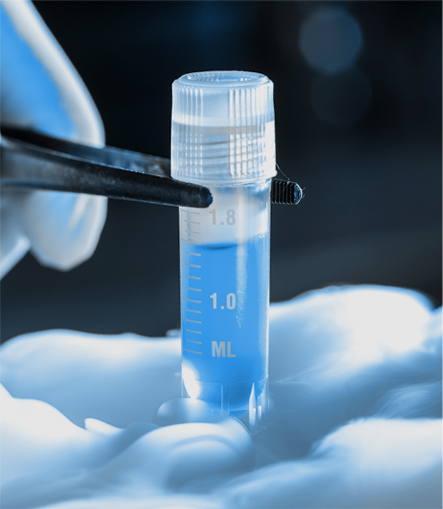
What Is Fertility Preservation?
As women’s participation in social and professional activities increases in modern society, and the age at marriage and childbirth rises, women’s natural fertility tends to gradually decline.
In addition, medical treatments such as cancer treatment, as well as conditions such as endometriosis and ovarian diseases, can be major causes of reduced fertility. Fertility preservation helps women prepare for unpredictable circumstances and maintain the opportunity to become pregnant and give birth in the future. Fertility preservation methods can be selected based on an individual’s circumstances, age, health condition, and future plans. The main methods include egg freezing, embryo freezing, sperm freezing, and, in certain medical conditions, ovarian tissue freezing. Each method has different advantages, limitations, and indications, so it is important to consult thoroughly with a fertility specialist to determine the most appropriate option for each individual.
Candidates for Fertility Preservation
- When you wish to postpone your plans for childbirth
- When you are about to undergo treatments such as chemotherapy or radiation therapy that may impair fertility
- When you have a condition such as endometriosis or an ovarian tumor that may impair ovarian function
- When you have a family history of premature menopause or signs of diminished ovarian function